معرفی
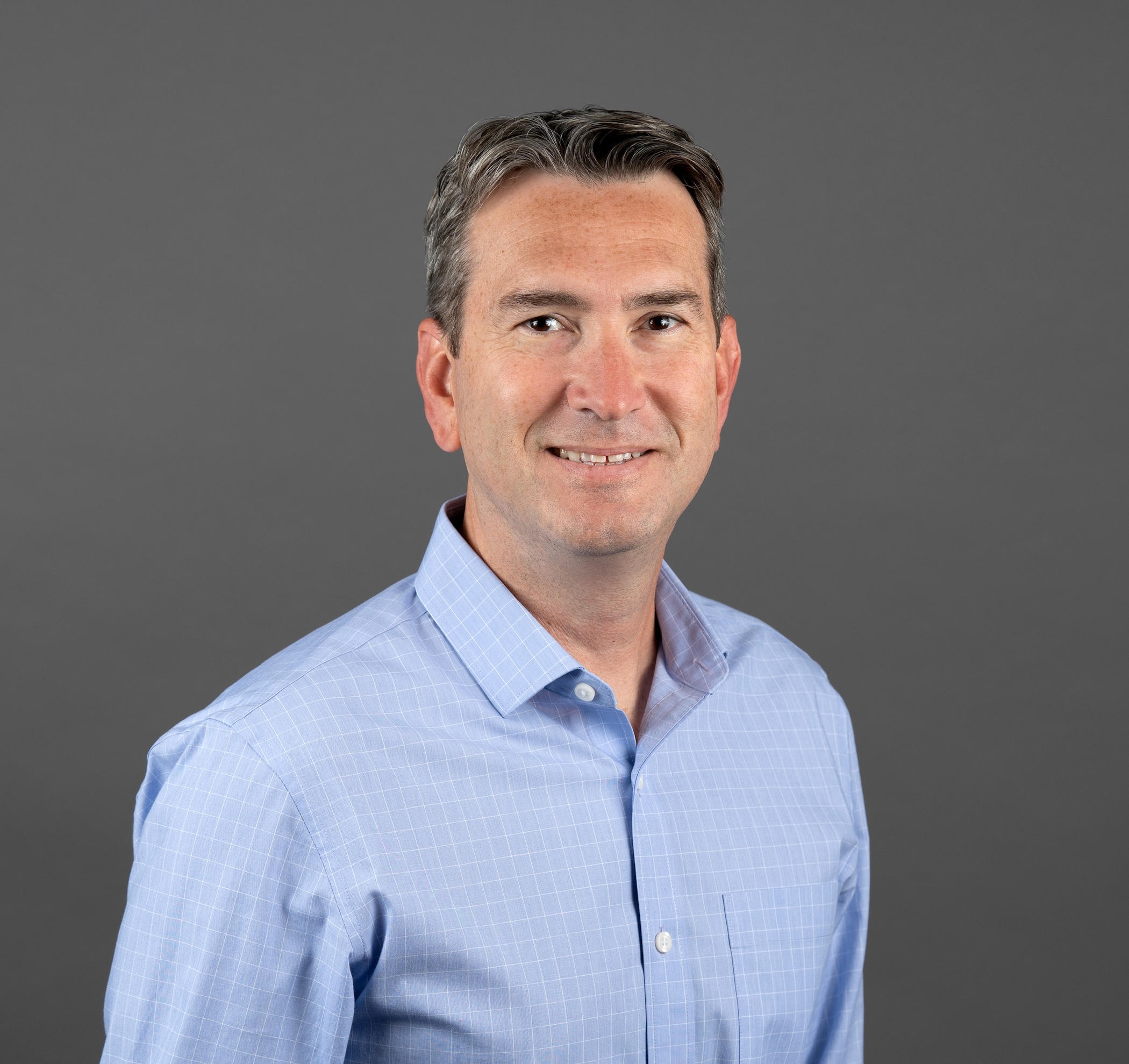
Mark Anderson, MD, PhD is a distinguished Professor at the University of California, San Francisco (UCSF) School of Medicine, where he directs research at the Diabetes Center. His work bridges clinical endocrinology and immunological research, focusing on the intersection of autoimmune disorders and metabolic diseases. As a principal investigator on numerous NIH-funded projects, he leads a productive research program that has significantly advanced our understanding of immune tolerance mechanisms.
- MD from University of Chicago Pritzker School of Medicine (1994)
- PhD in Immunology from University of Chicago (1992)
- Residency in Internal Medicine at University of Minnesota (1994-1997)
- Chief Resident at University of Minnesota (1997-1998)
- Fellowship in Adult Endocrinology at Massachusetts General Hospital (1998-2001)
- Board Certified in Endocrinology and Metabolism (2001, renewed 2012)
Dr. Anderson's research primarily investigates the genetic control of autoimmune diseases, with special emphasis on Autoimmune Polyglandular Syndrome Type 1 (APS1 or APECED) and type 1 diabetes. His laboratory has made seminal contributions to understanding the role of the Aire gene in immune tolerance, demonstrating its critical function in thymic and peripheral immune regulation. His work connects fundamental immunological mechanisms with clinical manifestations of autoimmune endocrine disorders, creating translational pathways for potential therapeutic interventions. The research spans molecular mechanisms of central tolerance, T cell regulation, and the pathogenesis of autoimmune diabetes.
Analysis of Dr. Anderson's recent publications reveals a strong focus on the mechanisms of immune tolerance breakdown in autoimmune diseases, particularly type 1 diabetes and APS-1. His work integrates cutting-edge techniques like PhIP-Seq for autoantibody discovery, single-cell transcriptomics, and genetically engineered mouse models. A consistent theme across his research is the investigation of how defects in central tolerance mechanisms lead to organ-specific autoimmunity, with recent work expanding into checkpoint inhibitor-induced autoimmunity and the role of autoantibodies in various disease contexts.
- 2004 Pew Scholar
- 2009 Robert B. Friend and Michelle M. Friend Endowed Chair in Diabetes Research
- 2009 American Society of Clinical Investigation
- 2012 Byers Award in Basic Science
- 2016 American Association of Physicians
- 2019 Distinguished Alumni Award
- 2020 National Academy of Medicine
- 2024 The William B. Coley Award in Basic and Tumor Immunology
Dr. Anderson serves as Principal Investigator on multiple major NIH-funded research projects including R01AI170841 (Alterations of leukocyte integrin signaling leading to diabetes and autoimmunity), R01DK133443 (Tuning peptide specificities for T cell tolerance in Type 1 diabetes), and P01AI155393 (STAT3 variants as a rheostat of immune tolerance). His laboratory, the Anderson Lab, is a hub for interdisciplinary research that bridges immunology, endocrinology, and genetics. The lab collaborates extensively with other leading researchers at UCSF and beyond, contributing to major consortia focused on type 1 diabetes and autoimmune disorders. Current research directions include developing stem cell-derived thymic epithelium to remodel immune tolerance in type 1 diabetes and investigating novel therapeutic approaches for autoimmune diseases.