معرفی
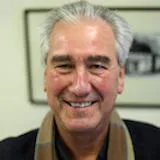
Marion Godman is an Associate Professor in the Department of Political Science at Aarhus University, Denmark. She is also an Affiliated Scholar at the History and Philosophy of Science Department at Cambridge University, UK. Her research and academic engagements bridge multiple disciplines within philosophy and social sciences.
Marion holds an undergraduate degree, BA, and MA in theoretical philosophy from Stockholm University. She earned her PhD in Philosophy from King’s College London in April 2012, supervised by David Papineau. She served as a Research and Teaching Associate at the History and Philosophy of Science Department at Cambridge University (2013–2015) and was a researcher at the Centre for the Philosophy of Social Sciences/TINT in Helsinki, Finland (2012–2018).
Her research focuses on ontology, philosophy of biology, philosophy of social science, and political philosophy. A central work is her monograph, The Epistemology and Morality of Human Kinds (Routledge, 2023), which argues that human kinds are historically reproduced through cultural models and social learning. This challenges reductionist approaches, emphasizing their role in explaining identity, injustice, and group rights. Current collaborations include a project with Nicholas Haas on ethnicity/race data collection, using experimental and philosophical methods.
Godman concluded a 4-year Sapere Aude Research Leader Grant (2019–2023) examining group rights via historical accounts of membership. She also co-led an exploratory workshop grant from Nordic research councils (2019–2022) investigating reactivity in the human sciences. These grants supported collaborative outputs like the edited Topical Collection for the European Journal for the Philosophy of Science.
She is affiliated with the Centre for the Experimental-Philosophical Study of Discrimination (CEPDISC) at Aarhus University and maintains ties to Cambridge’s History and Philosophy of Science Department. Her work integrates theoretical philosophy with applied issues in social science and political theory.