معرفی
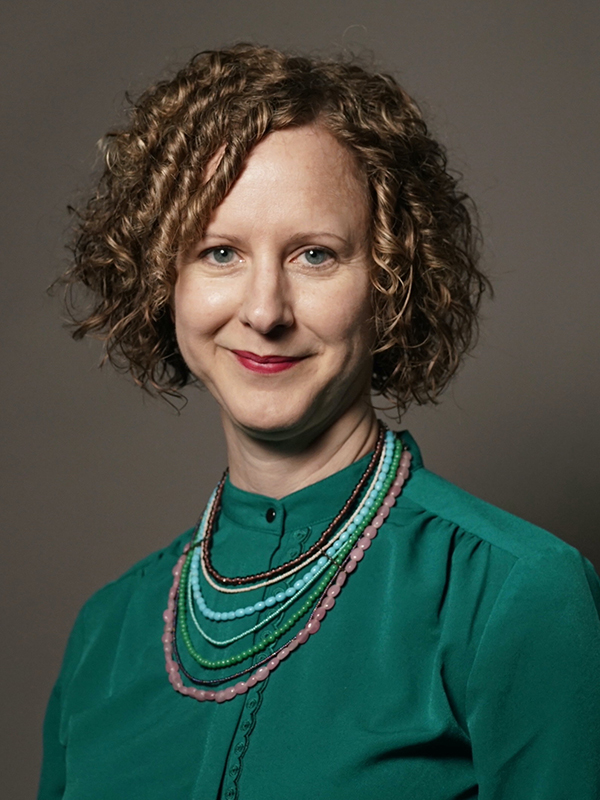
Mariola Alvarez is an Associate Professor and Director of Graduate Studies in the Department of Art History at Temple University's Tyler School of Art and Architecture, specializing in Latin American art of the 20th and 21st centuries with a particular focus on the history of abstraction in Brazil.
Education
- PhD, Art History, University of California, San Diego, 2012
- MA, Art History, University of Florida, 2005
Alvarez's research centers on Brazilian modernism, particularly Neoconcretism—a movement of Brazilian artists and poets from the 1950s and 1960s. Her scholarship examines interdisciplinary collaborations within Brazilian modernism and the relationship between art and postwar modernity. Her current research project investigates the art of the Japanese diaspora in Brazil, for which she received a Fulbright U.S. Scholar award. She has published extensively in journals like Third Text and Arts, and contributed to exhibition catalogs on Maria Martins and art of the Asian diaspora in Latin America. Her work significantly contributes to expanding the geographical understanding of abstract art beyond Eurocentric narratives.
Alvarez co-edited New Geographies of Abstract Art in Postwar Latin America, which expands current research by leading scholars in the field, and was appointed co-editor-in-chief of Latin American and Latinx Visual Culture. Her publications demonstrate a consistent trajectory toward examining transnational connections in Latin American art, particularly focusing on diasporic communities and cross-cultural exchanges that have shaped artistic production in the region.
Scientific Recognition
- Fulbright U.S. Scholar award for research in Brazil
As Director of Graduate Studies, Alvarez oversees graduate programs in Art History while maintaining an active research agenda. She has served on committees related to diversity practices in academic settings, reflecting her commitment to inclusive scholarship. Her editorial work with Latin American and Latinx Visual Culture positions her at the forefront of contemporary discourse in the field, facilitating scholarly conversations about underrepresented perspectives in art history.