معرفی
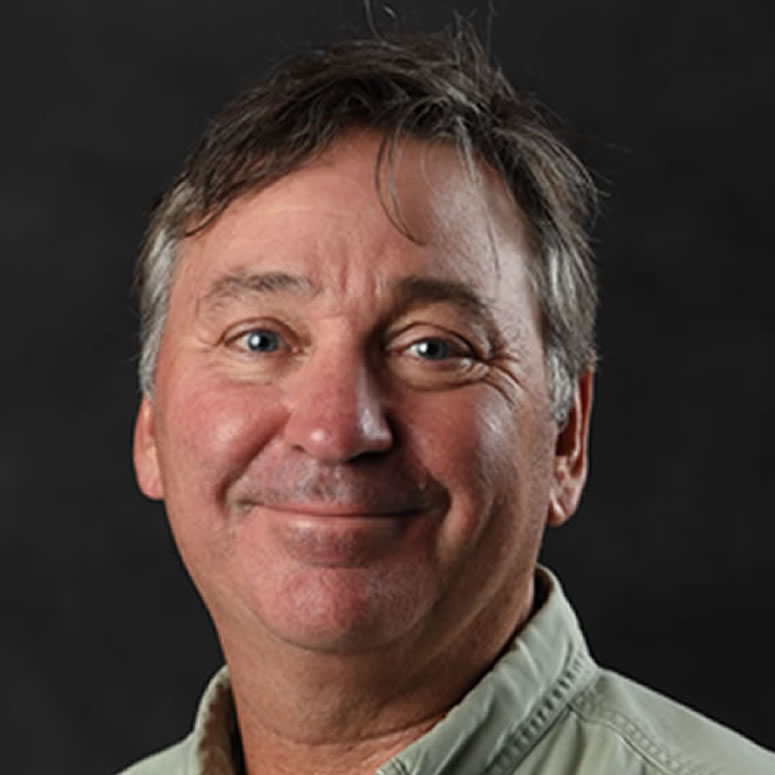
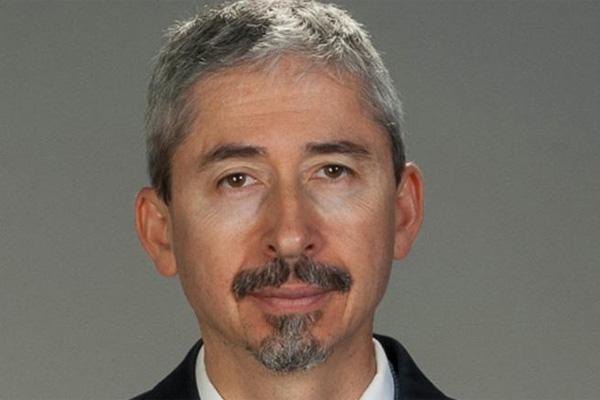
Mario Grijalva is a Professor in the Department of Biomedical Sciences at the Heritage College of Osteopathic Medicine, Ohio University, where he also serves as Director of the Infectious and Tropical Disease Institute (ITDI). He is an affiliated faculty member of the Center for International Studies and leads collaborative research with the Center for Research on Health in Latin America (CISeAL) in Quito, Ecuador.
Education:
- B.S. in Biology, Catholic University, Quito, Ecuador (1991)
- Ph.D. in Immuno-parasitology and Molecular and Cellular Biology, Ohio University (1997)
- Postdoctoral Training in Immunology and Molecular Parasitology, Centers for Disease Control and Prevention (1997–1999)
His research focuses on Chagas disease, encompassing immunopathology, vector biology, epidemiology, and blood supply safety. He studies Trypanosoma cruzi transmission in Ecuador and the U.S., with emphasis on sylvatic and domestic cycles, triatomine vectors, and mammalian reservoirs. His work integrates molecular biology, serology, and ecological modeling. A key initiative is the Healthy Living Initiative, which promotes long-term disease control through socioeconomic development in rural Ecuador.
His recent publications reveal a strong trend in vector genetics, epidemiological modeling, and community-based health interventions. Themes include species differentiation in triatomines, genetic diversity of T. cruzi, and the role of social behavior in disease prevention. His interdisciplinary approach spans microbiology, public health, and development studies.
Scientific Contributions:
- Director, Infectious and Tropical Disease Institute (2006–present)
- Visiting Professor, Catholic University, Ecuador (2000–present)
- Director, Center for Research on Health in Latin America (2000–present)
- External Evaluator for Ecuador’s Blood Bank Screening Program (2002–2015)
He mentors a wide range of students, from undergraduate to PhD and medical levels, both at Ohio University and in Ecuador. His advising spans biological sciences, epidemiology, Latin American studies, and public health. He teaches courses such as Tropical Disease Biology, Cross-Cultural Issues in Tropical Diseases, and Healthy Living: Health, Communication and Development.
His laboratory operates in Athens, Ohio, and Quito, Ecuador, supporting field and lab research on Chagas disease. He has established research infrastructure in Ecuador and promotes training and capacity building for local scientists.