معرفی
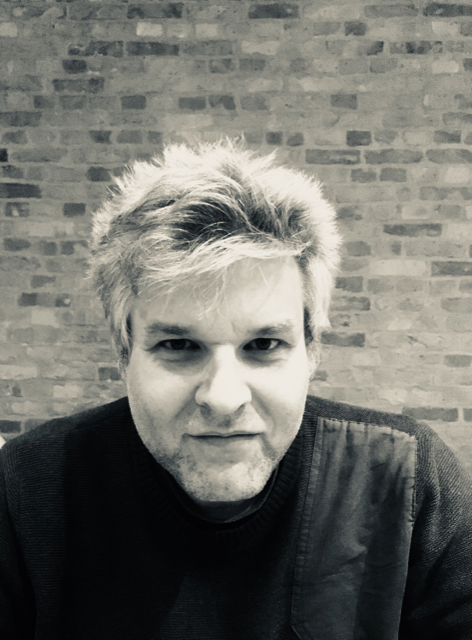
Marina Correa serves as a Univ.-Lecturer in Brazilian Studies within the Department of Romance Studies at the University of Vienna. Her academic profile combines rigorous literary scholarship with active cultural mediation between Brazil and German-speaking contexts. She maintains a dual focus on Brazilian literary production and German-Brazilian cultural exchange, particularly through translation and interdisciplinary research.
Her research interests center on Brazilian literature (especially concrete poetry and neo-avant-garde movements), cultural anthropology (with emphasis on indigenous perspectives), and translation studies. Correa has established herself as a leading scholar on the intersections between Brazilian and German literary traditions, examining how musicality, intermediality, and political resistance manifest in literary works. Her methodological approach integrates close textual analysis with broader cultural contextualization.
Correa's scholarly output reveals consistent engagement with concrete poetry (particularly Augusto de Campos' work), urban narratives in contemporary Brazilian fiction, and transcultural aesthetics. Her publications demonstrate how Brazilian avant-garde movements dialog with European artistic traditions while maintaining distinct political and aesthetic positions. Recent work shows increasing focus on Amerindian perspectivism and cultural memory.
- Performance Scholarship under §65 of the Study Funding Act 1992 (2002, €1,500)
- Graduate Mobility Funding from GSK/BMWK (2005, €1,250)
- Performance Scholarship under §65 of the Study Funding Act 1992 (2007, €350)
Correa actively organizes academic and cultural events, including the Brazilian Literature Week in Vienna (2012, 2022), lectures at major universities in Brazil (UFRJ, UNICAMP), and collaborations with cultural institutions like the Weltmuseum Wien and Klimabündnis Österreich. Her radio contributions for Ö1 demonstrate commitment to public scholarship, particularly around Brazil's 200th independence anniversary. Current projects involve dialogue with indigenous Mahku movement representatives through the Klimabündnis initiative.