معرفی
Dr. Marco Sacchi is an Associate Professor and Royal Society University Research Fellow in Physical and Computational Chemistry at the University of Surrey's School of Chemistry and Chemical Engineering. He serves as Theme Leader in Sustainable Energy and Materials Research and coordinates the Energy and Materials Theme within his school. Dr. Sacchi is an elected member of the Council of the Faraday Division of the Royal Society of Chemistry and serves on the Editorial Board of Discover Molecules.
- MSc in Chemical Engineering
- PhD in Chemistry from École polytechnique fédérale de Lausanne (EPFL)
- Swiss National Science Foundation fellowship at University of Cambridge
- Royal Society University Research Fellowship since 2014
His research focuses on quantum effects in biological molecules (including DNA), surface dynamics, and 2D nanomaterials using first-principles computational methods. Dr. Sacchi leads significant projects on Quantum Tunnelling in DNA, Graphene & 2D-Materials Catalysis, and Surface Chemistry of Spent Nuclear Fuels as part of the EPSRC-funded TRANSCEND network. His work spans multiple Sustainable Development Goals related to clean energy and sustainable materials.
Dr. Sacchi's recent publications (2023-2025) demonstrate expertise across quantum biology, surface science, and catalysis on 2D materials, with research trends showing increasing interdisciplinary work connecting quantum effects in DNA with materials science applications. His work on polar bear fur anti-icing properties and DNA mutation mechanisms has received significant media attention.
- Royal Society University Research Fellow
- Fellow of The Higher Education Academy
- Swiss National Science Foundation fellowship
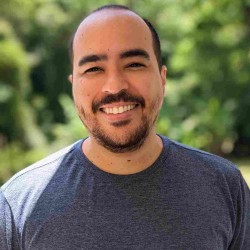
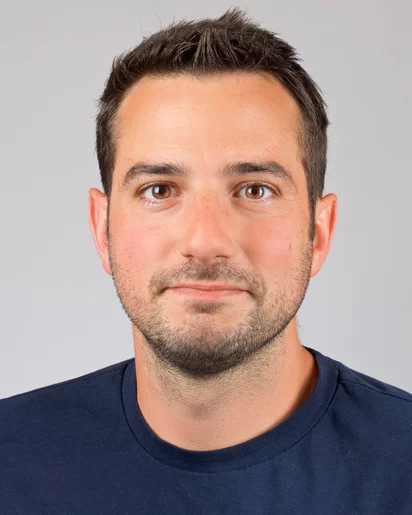
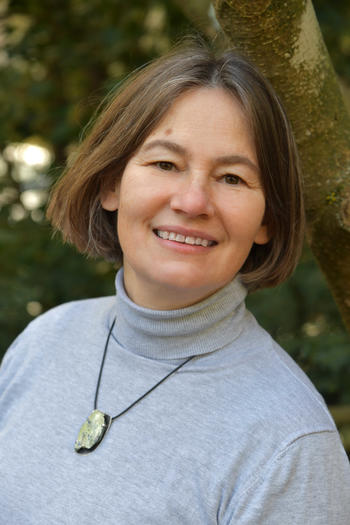
Dr. Sacchi actively supervises PhD students including Louie Slocombe, Max Winokan, and Neubi F. Xavier, with research grants supporting multiple projects in quantum biology and sustainable materials. His group maintains strong international collaborations and industry partnerships, particularly in the areas of hydrogen production and environmental catalysis.
He is affiliated with the Leverhulme Quantum Biology Doctoral Training Centre, Materials Research Interest Group, Thomas Young Centre, and several national research networks including UK Catalysis Hub and CCP5.