معرفی
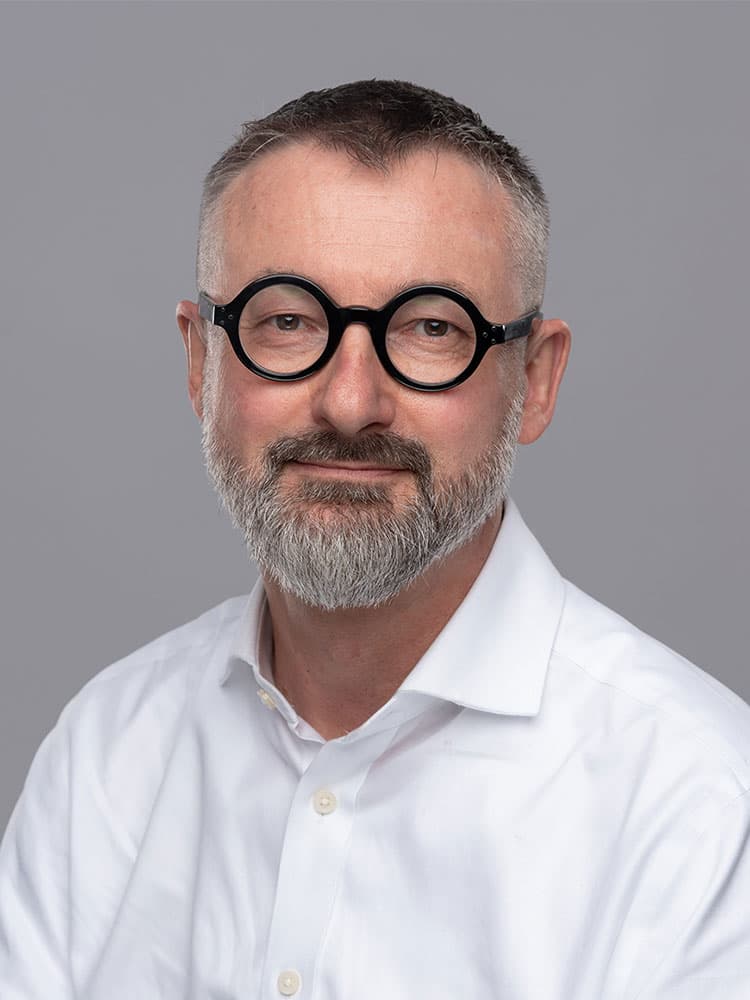
Marco Rodriguez Chavez is a Part-time Lecturer in the Department of Architecture at Aalto University's School of Arts, Design and Architecture, while concurrently serving as a Doctoral Student within the same school and a Project Employee in the Department of Mathematics and Systems Analysis. His interdisciplinary work bridges architectural practice, artistic research, and educational innovation.
His academic credentials include:
- Master's degree in Architecture from Aalto University (awarded December 31, 2020)
- Master's degree in Arts and Design from Aalto University (awarded May 27, 2011)
Chavez's research centers on the dynamic intersection of architecture and artistic practices, with emphatic focus on campus spatial design (100% fingerprint match), architectural theory (100%), and collaborative artistic research (50%). His work critically examines exhibition spaces, under-graduate educational environments, and the integration of aesthetic elements like 'dark red' palettes within functional design. This manifests in explorations of how architectural interventions shape perception and social interaction in educational and public realms.
His publication trajectory from 2013-2025 reveals consistent evolution toward sophisticated spatial narratives, with recent works emphasizing collaborative exhibition design and urban redevelopment. The 2023-2025 outputs demonstrate refined techniques in spatial perception and mirror-based installations, while maintaining strong connections to Nordic design traditions and international cultural exchange.
Currently engaged in the FOLD2 project (2024-2026), Chavez contributes to interdisciplinary research on folding structures in architectural design under Principal Investigator K. Peltonen. This €1.2M initiative involves cross-departmental collaboration between engineering, design, and arts faculties, focusing on deployable structures for temporary exhibition spaces.
As core member of the FOLD2 research collective, Chavez operates within a transdisciplinary team developing experimental architectural prototypes. His role integrates artistic research methodologies with structural engineering, particularly evident in recent exhibition co-productions exploring perceptual distortion and spatial cognition through mirror installations.