معرفی
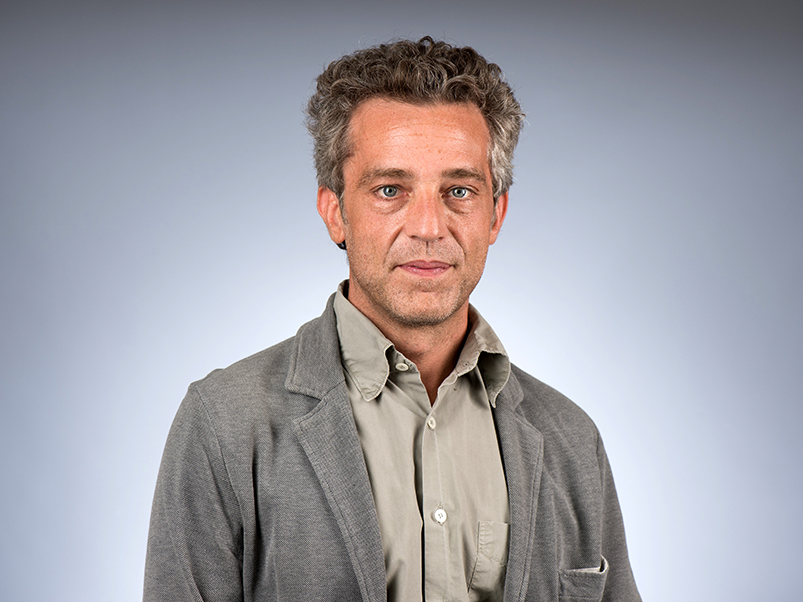
Marco Armando is an Associate Professor at the Faculty of Biology and Medicine of the University of Lausanne (UNIL), affiliated with the University Child and Adolescent Psychiatry Department of the CHUV. He is a clinician-researcher dedicated to bridging scientific inquiry with clinical practice to improve outcomes for young patients with emerging psychotic disorders.
His education includes a medical degree from the University of Rome “La Sapienza” (2004). His professional journey includes clinical leadership roles in Italy and Switzerland, such as Head of Clinic in Psychiatry in Viterbo, Chief of Clinic and Research Fellow at Bambino Gesù Children’s Hospital in Rome, and leadership positions in adolescent psychiatry in Geneva. Since 2021, he has served as Associate Professor at UNIL, contributing to academic and clinical advancements in child and adolescent mental health.
Dr. Armando's research is centered on four key areas: (1) early diagnosis and intervention in attenuated psychotic syndromes and early psychoses in youth; (2) the use of chromosome 22q11 microdeletion syndrome as a genetic model to understand early psychoses; (3) developing best practices for transitioning adolescents from child to adult psychiatric services; and (4) adolescent suicidality. His work emphasizes the integration of robust scientific methodology with real-world clinical needs.
He has been actively involved in research units such as SUPEA and Synapsy and leads clinically on the Adolescent Psychosis Risk Assessment Platform (ERA) and the Adolescent Psychiatric Hospitalization Unit at CHUV. His academic contributions include prior lecturing roles at the University of Rome “La Sapienza” and private lecturer status at the University of Geneva’s Faculty of Medicine.
While no specific scientific awards or publications are listed in the available text, his leadership in both clinical and research domains underscores his growing impact in the field of developmental psychiatry.
Dr. Armando mentors through clinical supervision and academic teaching, though no formal list of advisees is provided. He is not described as part-time, retired, or deceased, and there is no indication he is former staff; he is an active, full-time faculty member. His work is supported by institutional affiliations with UNIL, CHUV, and collaborative research platforms focused on youth mental health.