معرفی
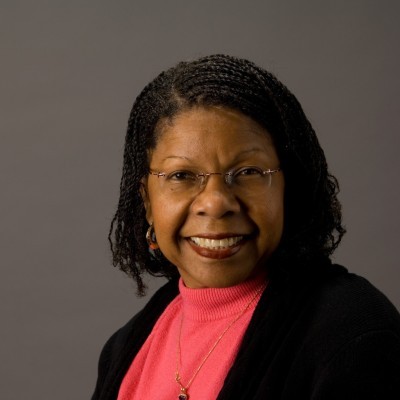
Dr. Marcia E. Sutherland serves as Professor in both the Department of Psychology and Department of Africana, Latin American, Caribbean, and Latinx Studies at the University at Albany, State University of New York. She previously chaired the Africana Studies department and maintains active dual appointments focused on the psychological experiences of people of African descent globally.
Her educational foundation includes a doctoral degree from Howard University, which underpins her interdisciplinary approach spanning psychology, cultural studies, and public health.
Sutherland's research pioneers Black Psychology and Caribbean Psychology through an African-centered lens, examining obesity disparities in African American communities, HIV/AIDS prevention in Caribbean contexts, and racial identity development among Black mental health professionals. Her seminal work on non-verbal behavior in African diaspora populations and palliative care models for Caribbean communities demonstrates her commitment to culturally relevant frameworks that address systemic health inequities. She advocates for psychology as a tool for liberation, particularly through her foundational concept of Black Authenticity.
Analysis of her recent publications (2011-2024) reveals three dominant trajectories:
- Identity and Professional Development (e.g., Black therapists' career choices, racial identity efficacy)
- Caribbean Health Systems (e.g., HIV/AIDS vulnerabilities, palliative care models, obesity interventions)
- Cultural Liberation Frameworks (e.g., African-centered Jamaican psychology, post-emancipation resistance)
Her scholarly impact is recognized through prestigious honors including:
- Distinguished Psychologist’s Award for Scholarly Advancement of Black Psychology (National Association of Black Psychologists)
Sutherland currently leads a Mellon Foundation-funded research initiative (2023-2026) while founding and presiding over the Capital District of New York Caribbean American Cultural Association, Inc. This non-profit organization operationalizes her academic work through community programming that preserves Caribbean heritage and addresses contemporary diaspora challenges in New York's Capital Region.
Her leadership extends beyond academia through this cultural organization, which develops educational programs, cultural festivals, and advocacy initiatives that strengthen Caribbean American identity while addressing systemic barriers faced by immigrant communities in upstate New York.