معرفی
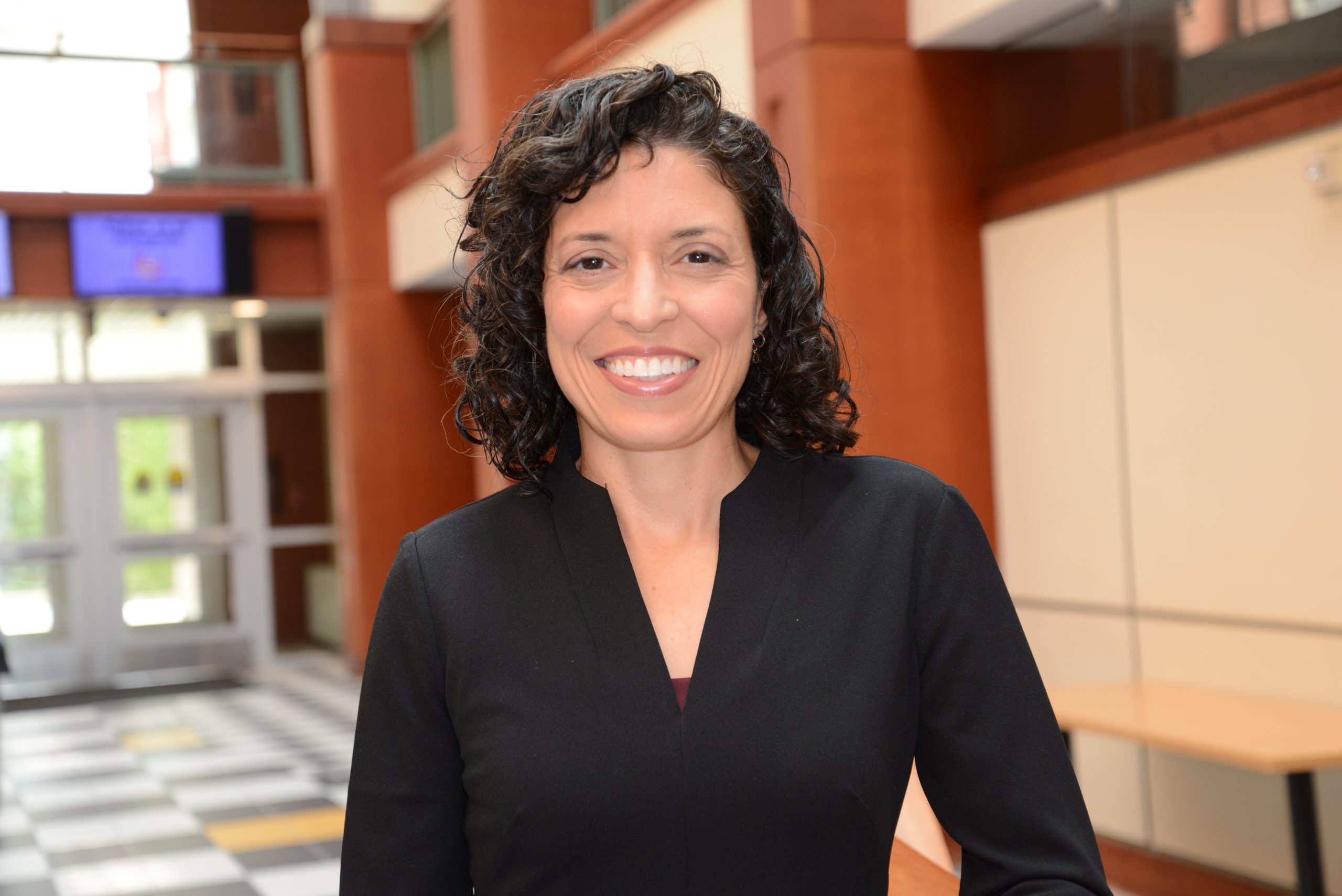
Marcel Thouin is a Full Professor in the Department of Didactics at the Faculty of Education Sciences, University of Montreal. He is recognized as one of Quebec's leading experts in science education for preschool and primary school children, with a career dedicated to making theoretical concepts practical for classroom educators. His work bridges educational theory and classroom application, focusing on how children learn science concepts and how to best prepare future teachers for science education.
Education & Background:
- Former elementary school teacher
- Physicist by training
Research Focus: Professor Thouin's research centers on developing teaching and learning activities in science and technology for primary and early secondary levels. He has pioneered approaches to conceptual change in children's scientific understanding, emphasizing the importance of addressing children's pre-existing conceptions rather than simply teaching correct answers. His work demonstrates that when children encounter surprising situations that challenge their existing conceptions, they're more likely to develop genuine scientific understanding.
Publication Trends: His extensive publication record shows consistent focus on practical science education resources, with recent works emphasizing problem-solving approaches, historical contexts in science teaching, and developmental appropriateness. His publications span from practical activity guides for teachers to theoretical works on conceptual change and science didactics.
Scientific Recognition:
- Raymond Gervais Prize for excellence in science and technology teaching (2017)
Mentorship & Impact: Professor Thouin has supervised numerous doctoral and master's students whose research extends his work into various aspects of science education, including conceptual modeling, science communication for children, and interdisciplinary approaches connecting science with other domains like cooking. His students' work reflects his emphasis on practical classroom applications and theoretical grounding.
Educational Philosophy: He advocates for active, problem-based science learning where children work collaboratively to solve scientific challenges. He believes science should be introduced from the earliest school years, taught through engaging, hands-on activities that make concepts tangible rather than abstract. His famous "sweet water and sugar water" demonstration exemplifies his approach to creating cognitive conflict that prompts conceptual change.