معرفی
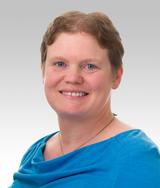
Marc L Mendillo, PhD is an Associate Professor in the Department of Biochemistry and Molecular Genetics at the Feinberg School of Medicine, Northwestern University. His research focuses on understanding the cellular protein homeostasis network and how it is co-opted by cancer cells to survive various stresses. Dr. Mendillo leads an active research laboratory that bridges biochemical, genetic, and chemical biology approaches with high-throughput genomic methods.
Dr. Mendillo's research interests span multiple interconnected fields:
- Cancer Biology - particularly how tumor cells adapt to stress
- Protein Homeostasis networks and their role in cellular fitness
- Heat Shock Factor signaling and transcriptional regulation
- Cellular stress response mechanisms in malignancy
- Epigenetic regulation in cancer progression
His recent publications demonstrate a strong focus on the HSF1-regulated proteostasis network and its role in cancer cell adaptation. The work reveals intricate feedback circuits involving heat shock factors, chaperone proteins, and epigenetic regulators that enable tumor cells to withstand proteotoxic stress. This research has significant implications for developing novel cancer therapeutics targeting stress response pathways.
Dr. Mendillo holds several prestigious editorial and advisory positions:
- Associate Editor, Frontiers in Molecular Biosciences (2021-Present)
- Editorial Board Member, Molecular and Cellular Biology (2017-Present)
- Scientific Advisory Board Member, American Cancer Society North Region (2023-Present)
- Medical Advisory Board Member, Lynn Sage Foundation (2019-2021)
Dr. Mendillo is actively involved in mentoring graduate students and postdoctoral researchers in his laboratory. His research is supported by multiple grants from the National Institutes of Health and cancer research foundations, enabling his team to pursue innovative approaches to understanding cancer cell stress adaptation.
Dr. Mendillo's laboratory is housed in The Louis A Simpson and Kimberly K Querrey Biomedical Research Center, a facility designed specifically to maximize collaboration and multidisciplinary research efforts. His work intersects with several Northwestern research centers including the Center for Genetic Medicine, the Northwestern University Clinical and Translational Sciences Institute, the Robert H. Lurie Comprehensive Cancer Center, and the Simpson Querrey Institute for Epigenetics.