معرفی
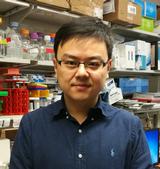
Dr. Zibo Zhao serves as Assistant Professor in the Department of Biochemistry and Molecular Genetics at Northwestern University's Feinberg School of Medicine. His primary affiliations include the Simpson Querrey Institute for Epigenetics, Robert H. Lurie Comprehensive Cancer Center, and Northwestern University Clinical and Translational Sciences Institute (NUCATS), where he conducts research at the intersection of cancer biology and epigenetic regulation.
His academic training comprises:
- BS from Hong Kong University of Science and Technology (2011)
- PhD from University of Wisconsin-Madison (2015)
- Postdoctoral Fellowship in Cancer Epigenetics at Northwestern University (2021)
Dr. Zhao's research centers on epigenetic drivers of cancer progression, with focus on chromatin remodeling complexes, transcriptional regulation, and molecular mechanisms in small-cell lung cancer and lymphoma. His work explores how epigenetic alterations influence tumor growth, immune evasion, and therapeutic resistance, particularly through MHC-II expression pathways and testis-specific transcription factors.
Analysis of his recent publications reveals a strong interdisciplinary focus on cancer epigenetics (75% of output), with emerging collaborations in computational imaging and materials science. The predominant themes include chromatin-based therapeutic targets in aggressive cancers, epigenetic-immune system crosstalk, and molecular mechanisms of oncogenesis, reflecting his dual expertise in basic molecular biology and translational cancer research.
No scientific awards are listed in his current professional profile.
While specific student mentorship details aren't provided, his research program within the Lurie Cancer Center likely involves graduate trainees through Feinberg's PhD programs. His work appears supported by institutional resources from NUCATS and the Simpson Querrey Institute, with potential industry collaborations indicated through Northwestern's clinical trial infrastructure.
Dr. Zhao maintains an active laboratory within the Simpson Querrey Institute for Epigenetics, conducting research at the Simpson Querrey Building (7-513) that integrates molecular biology approaches with computational analysis to identify novel epigenetic vulnerabilities in cancer.