
معرفی
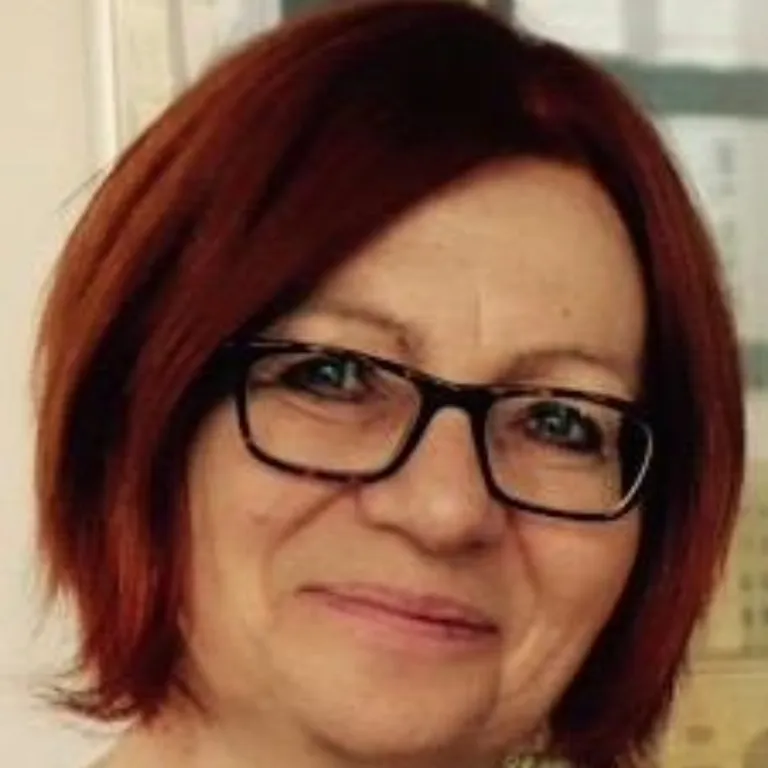
Malgorzata Pospiech serves as an Adjunct Assistant Professor in the Russian and Slavic Studies Program within the Department of Classical and Oriental Studies at Hunter College, City University of New York, where she directs the Polish language and literature curriculum. Her career uniquely bridges academic scholarship with creative practice as a documentary filmmaker, writer, and photographer.
Her educational foundation includes a Ph.D. from Wroclaw University with interdisciplinary training in:
- Languages
- Literature
- Film Studies
- Art History
Dr. Pospiech's research explores Polish cultural identity through literary analysis, historical documentation, and visual storytelling. She examines Soviet-era trauma via documentaries like A Generation (chronicling Siberian deportations) and preserves WWII testimonies through 70+ archived veteran interviews. Her literary scholarship investigates mythological motifs in contemporary Polish fiction and translation theory, often connecting historical narratives to modern identity formation. This interdisciplinary approach integrates film techniques with literary criticism to analyze cultural memory.
Her recent publications reveal consistent thematic evolution: early film scholarship (e.g., Arthur Penn in Conversations) transitioned into novelistic explorations of Polish history (A Small Town, Fog Over the River Styx), increasingly incorporating mythological frameworks (Ariadna's Labyrinth). These works demonstrate growing engagement with allegorical storytelling while maintaining rigorous historical grounding in Central European contexts.
Her scientific recognition includes:
- Central Europe Literary Award nomination (2015) for A Small Town
- Central Europe Literary Award nomination (2018) for Ariadna's Labyrinth
Dr. Pospiech has significantly contributed to historical preservation through documentary projects archived at the Polish Army Veteran's Association in Manhattan, including materials linked to Peter Weir's The Way Back. While specific grant details are unavailable, her three-decade tenure as a contributor to Poland's premier literary magazine demonstrates sustained scholarly engagement through hundreds of published essays, reviews, and interviews across academic and popular platforms.
Her creative production operates through documentary partnerships with Polish television and literary publishing houses rather than formal laboratory structures, with recent output emphasizing poetic explorations of historical memory and mythological reinterpretation in Polish cultural contexts.

