معرفی
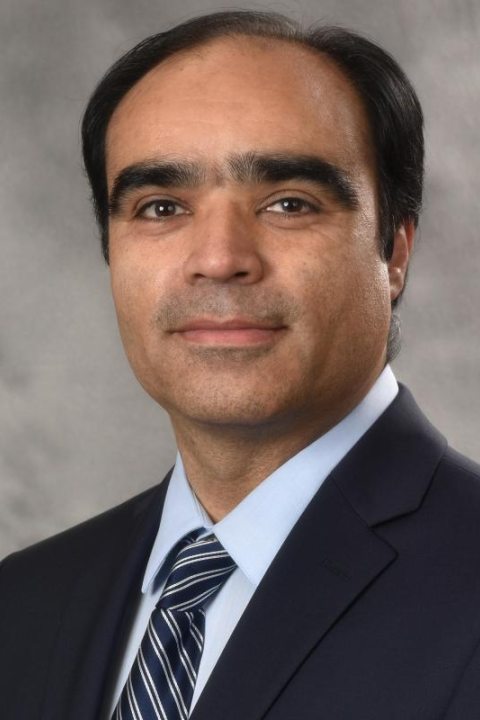
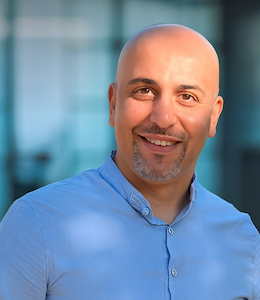
Mahdi Matt Aarabi serves as a Visiting Assistant Teaching Professor in the Department of Chemistry at Widener University, bringing over a decade of teaching experience from Central Ohio Technical College (on the Ohio State University Newark campus) and Texas Tech University. His academic profile bridges rigorous computational research with innovative pedagogy focused on real-world chemistry applications.
His educational credentials include:
- PhD in Computational Chemistry (2019) from Texas Tech University
Dr. Aarabi's research pioneers the integration of artificial intelligence with computational chemistry methodologies. He develops automated high-resolution DFT workflows for constructing potential energy surfaces, implements machine learning–enhanced molecular dynamics simulations, and creates AI-driven drug design pipelines using RDKit and PyTorch. His work strategically connects quantum mechanical principles with pharmaceutical and energy material applications, emphasizing practical computational frameworks for complex chemical systems.
His publication trajectory reveals consistent advancement in computational methodology: the 2024 On-the-fly Crystal framework automates potential energy surface characterization, the 2023 quantum dynamics study deciphers hydride exchange mechanisms, and the 2017 hydrogen adsorption research established foundational nanocluster analysis techniques. Collectively, these works demonstrate expertise spanning computational materials science, quantum chemistry, and AI-accelerated molecular design.
His distinguished teaching recognition includes:
- Faculty Teaching Excellence Award, COTC at Ohio State University, Newark campus (2025)
- Second place for best upper-division teaching award in Chemistry at Texas Tech University (2021)
Committed to active learning pedagogy, Dr. Aarabi cultivates critical thinking through real-world chemistry applications for diverse student populations. While specific laboratory infrastructure isn't detailed in available materials, his computational research methodology suggests collaboration with interdisciplinary teams in chemistry, computer science, and pharmaceutical development through Widener's Chemistry program.