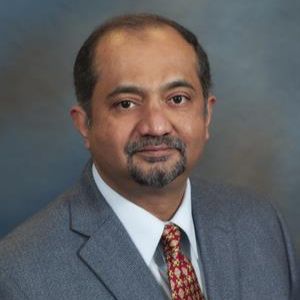
M. A. Mujeeb Khan
استادیار · History of Science and Medicine in Islamicate and East Asian contexts
University of Utahمعرفی
M. A. Mujeeb Khan is an Assistant Professor in the Department of World Languages and Cultures at the University of Utah, appointed since 1 July 2020. He also holds affiliate appointments with the
- Asia Center (since 15 Sep 2020)
- Middle East Center (since 15 Sep 2020)
- Center for Health, Ethics, Arts, & Humanities (since 15 Sep 2023)
Dr. Khan’s educational background is exceptionally international: he earned a B.S. in Physics (with minors in Japanese and Biology) from Stony Brook University (2005), an A.M. in Regional Studies—East Asia from Harvard University (2008), an M.S. in History and Philosophy of Science from the University of Tokyo (2012), and a Ph.D. in Asian and Middle Eastern Studies from the University of Cambridge (2016).
His research explores cross-cultural transmission of scientific and medical knowledge between the Islamicate world and East Asia, focusing on how Greco-Roman and Sino-Korean traditions were received, translated, and transformed in medieval Islamic and Japanese contexts. Key figures in his work include physicians and scholars such as Abū Bakr al-Rāzī, Ibn Sīnā, and Tanba no Yasuyori. More recent projects extend to nineteenth-century modernist thinkers like Muhammad Abduh and Fukuzawa Yukichi, as well as Japanese perceptions of Islam and the Yuan Dynasty medical text Hui Hui Yao Fang.
Across his publications, a clear trend emerges: meticulous textual analysis combined with comparative cross-cultural perspectives on medicine, philosophy, and intellectual history. His writings address translation beyond language, the popularization of philosophical knowledge through poetry, and the negotiation of tradition within specific cultural moments, highlighting the roles of orthopraxy and textual agency.
Dr. Khan has been honored with
- Suntory Foundation Fellowship (2019)
- Aziz Atiya Comparative Research Award (2021)
His teaching philosophy centers on critical engagement and self-reflection. Courses such as Asian Medicine, Reading Manga, Cultural Moments in Japan, and Visions of Islam encourage students to question assumptions and deepen linguistic and cultural competencies by situating traditions within their socio-historical contexts.
At Utah, Dr. Khan is an active member of interdisciplinary centers that foster dialogue across Asia, the Middle East, and medical humanities, reflecting his commitment to collaborative scholarship and integrative pedagogy.
/prod02/channel_1/media/faculty/Alex-Haskins-2-1-.jpg)