معرفی
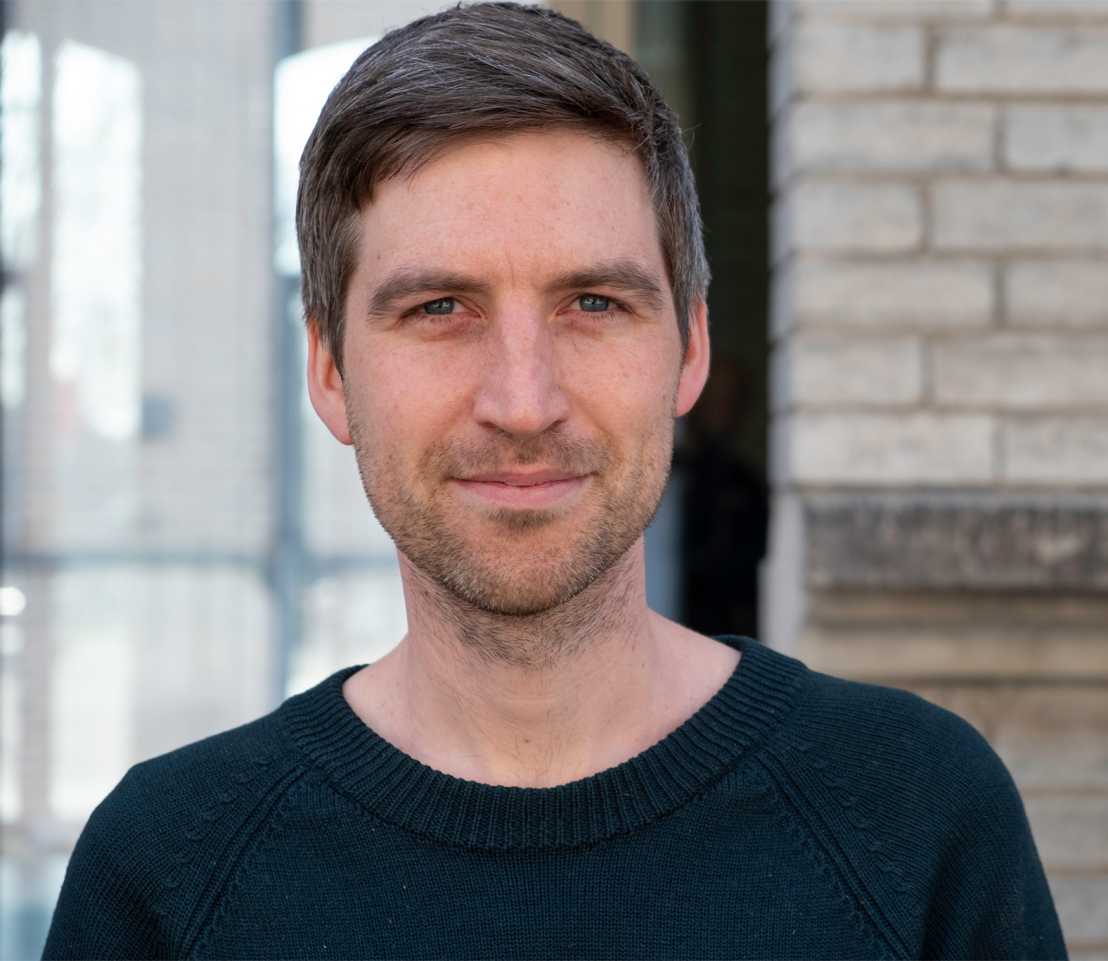
Lukas Fesenfeld is an environmental governance and political economy researcher at ETH Zurich and a lecturer at the Oeschger Centre for Climate Change Research and the Policy Analysis and Environmental Governance group at the University of Bern. His interdisciplinary work focuses on identifying drivers and outcomes of transformative processes in environmental policies, particularly in energy and agri-food systems, to accelerate biodiversity protection and climate change mitigation.
His research interests span the political economy of climate policy, food system transformation, and the interplay between policy, behavioral, and technological changes in socio-technical systems. Fesenfeld employs innovative mixed-method approaches combining quantitative and qualitative techniques including surveys, field experiments, advanced econometrics, and machine learning to understand complex feedback dynamics in sustainability transitions.
His work has been published in leading journals including Nature Climate Change, Nature Food, and Global Environmental Change, addressing critical issues like the political feasibility of transformative climate policies and the governance of food system transformation. His research has identified key levers for systemic change rather than incremental improvements in food systems, with particular focus on meat consumption and food waste reduction.
- Theodor Kocher Prize (50,000 CHF) from the University of Bern
- SNIS Award 2021 for best PhD thesis on International Studies
- PhD scholarship by the Heinrich Böll Foundation
- Multiple competitive research grants totaling over EUR 1.7 million as principal investigator
Fesenfeld has supervised over ten Bachelor's theses and eight Master's theses while teaching diverse courses on environmental governance, political economy, and climate policy. He actively engages with the science-policy interface through collaborations with NGOs, public administration, and participation in global policy assessment reports. His founding of the NAHhaft Institute for Sustainable Food Strategies demonstrates his commitment to translating research into practical solutions for food system transformation.