معرفی
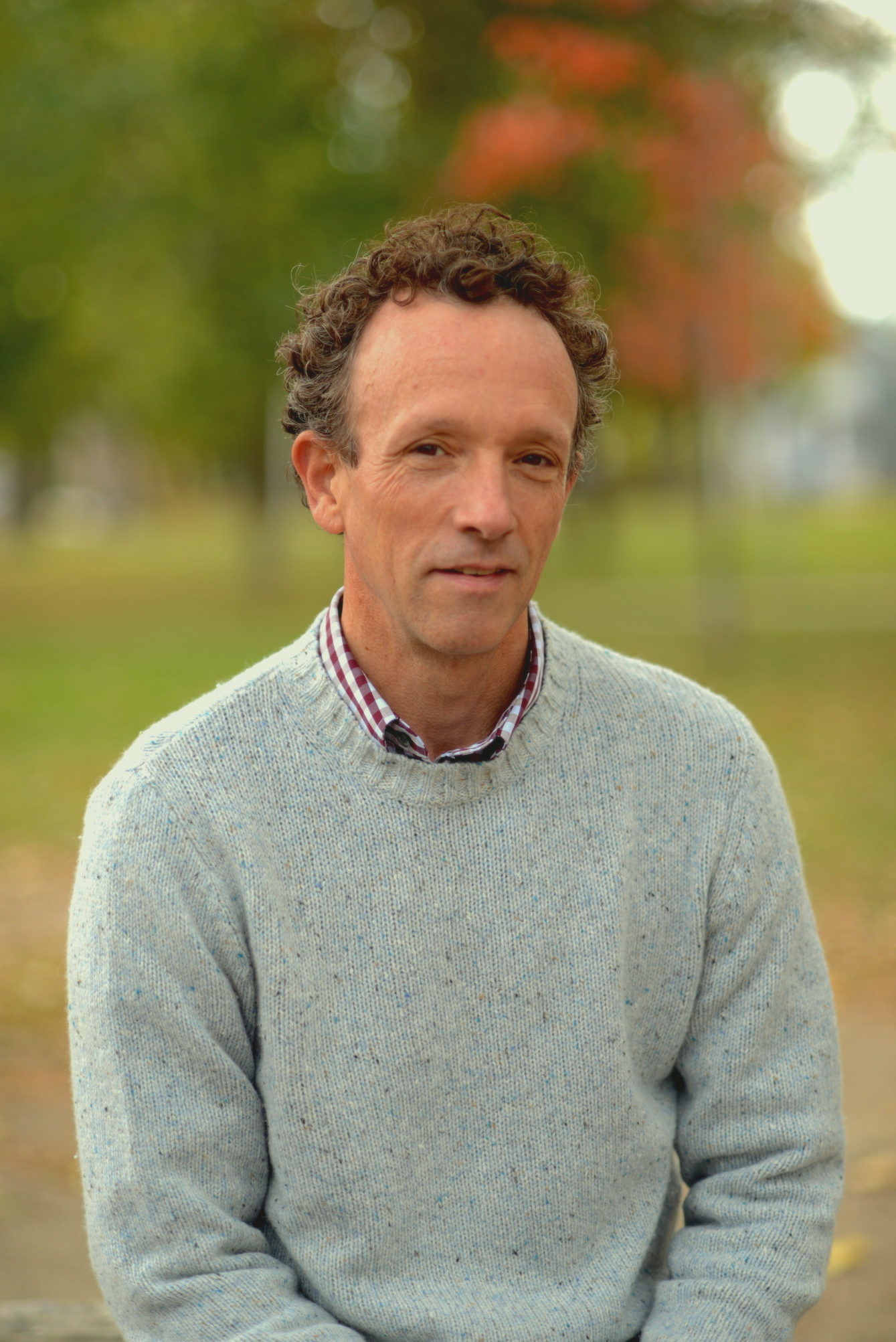
Luis van Isschot is an Associate Professor in the Department of History at the University of Toronto, Faculty of Arts and Science, based at the St. George campus. His research and teaching focus on modern Latin America, with specializations in Colombia, human rights, political violence, social movements, and the Inter-American Human Rights System.
Education:
- PhD, McGill University
Luis van Isschot's research centers on the history of human rights, particularly in violent and authoritarian contexts. He explores how civil society, grassroots movements, and international legal mechanisms have responded to state and corporate violence in Latin America. His work combines historical analysis with oral history and legal advocacy, emphasizing the role of popular tribunals, truth commissions, and transnational justice. Key interests include the Inter-American Court of Human Rights, the criminalization of protest, and the social origins of human rights activism.
His publications reveal a sustained engagement with transitional justice, rural conflict, and the intersection of memory, land, and law. He has written extensively on the Bertrand Russell Tribunal, the Permanent Peoples Tribunal, and Colombia's Truth and Reconciliation Commission. His work bridges academic scholarship and human rights practice, often contributing expert testimony in international legal cases.
Scientific Awards:
- Faculty Research Fellow, Jackman Humanities Institute, University of Toronto (2025–2026)
Luis van Isschot has supervised graduate students and contributed to academic leadership as Director of the Latin American Studies program (2022–2024). His research has been supported by the Social Sciences and Humanities Research Council (SSHRC). He is actively involved in collaborative research, notably with the Observatoire Violences, criminalisation et démocratie en Amérique latine at the University of Ottawa, which investigates the criminalization of protest across Latin America. His current projects include a study of foreign-owned oil enclaves and a social history of the Inter-American Court of Human Rights.