معرفی
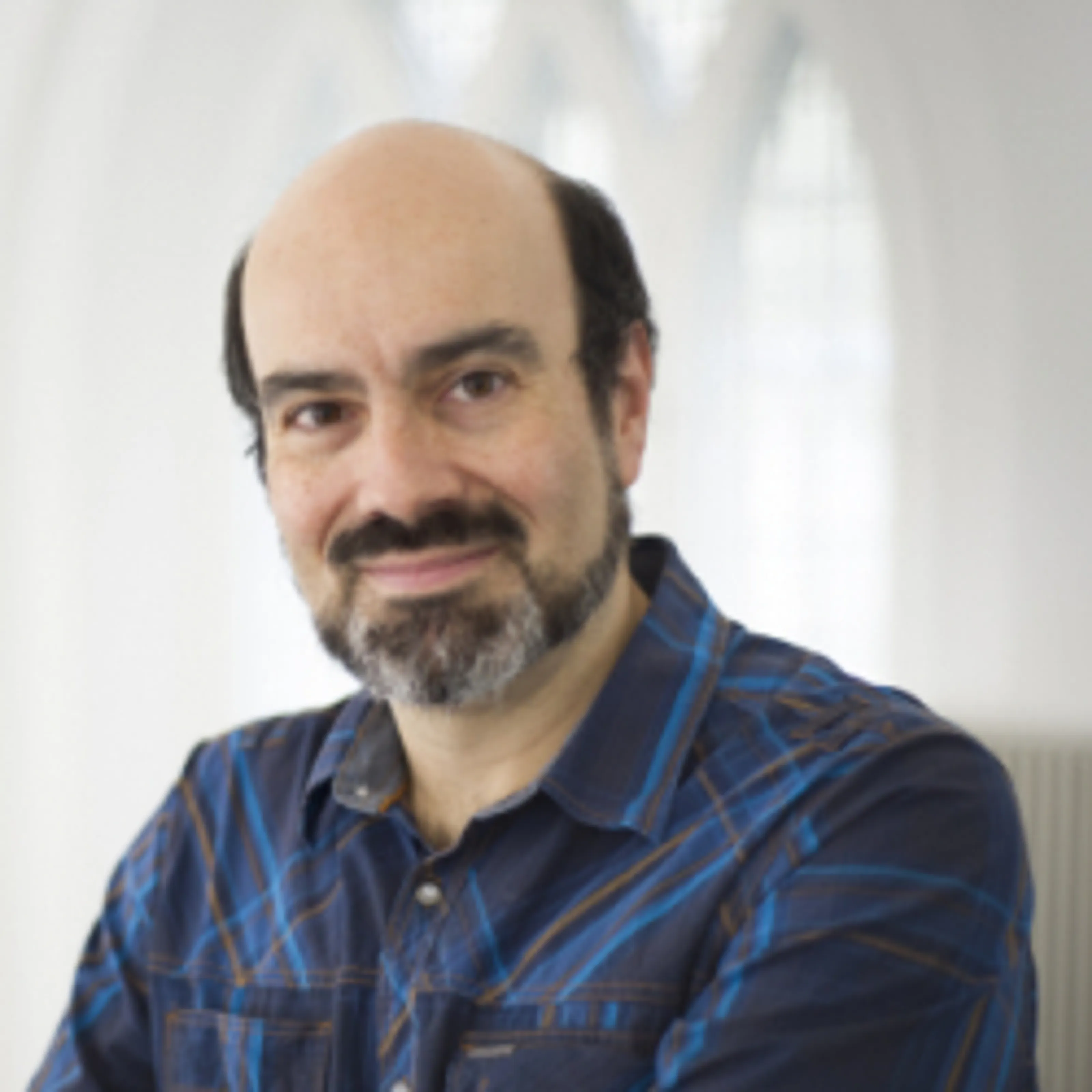
Louis Trudel serves as an Associate Professor within the Faculty of Education at the University of Ottawa, where he instructs science didactics courses in teacher training programs and quantitative research methodology courses in the Master's in Education program. His scholarly work focuses on advancing science education through innovative pedagogical approaches, particularly in minority language contexts and technology-integrated learning environments.
Education Background:
- Doctorate in Education, Université du Québec à Montréal
Research Focus: Dr. Trudel's research program centers on identifying and addressing student misconceptions in physics concepts (electricity, heat, motion), developing diagnostic assessment tools like two-tier tests, and designing technology-enhanced learning sequences. His work emphasizes science education in French-speaking minority communities, exploring how formal and informal educational settings interact to strengthen science pedagogy. He actively investigates the application of ICT in science teaching, distance learning models for science educators, and conditions for effective implementation of science curricula.
Publication Analysis: Examination of his 15 most recent publications reveals a consistent focus on physics education research, with 80% addressing student misconceptions in core concepts. His methodology prominently features diagnostic testing (particularly two-tier instruments) and technology-mediated learning environments. A distinctive thread throughout his work is the adaptation of science pedagogy for minority-language contexts, especially Francophone communities in Canada, demonstrating his commitment to equitable science education across diverse settings.
Scientific Recognition: No specific awards or fellowships were documented in the provided materials.
Academic Mentorship: As an active instructor in both teacher certification and graduate programs, Dr. Trudel undoubtedly supervises student research, though particular advisees and grant-funded projects remain unspecified in the available documentation. His leadership in organizing international conferences and editing scholarly volumes indicates significant contribution to academic community building.
Research Infrastructure: While no dedicated laboratory facilities are mentioned, his publications referencing computer-assisted investigations and hybrid learning environments suggest utilization of technology-enhanced research spaces, potentially within the Faculty of Education's instructional technology resources.