معرفی
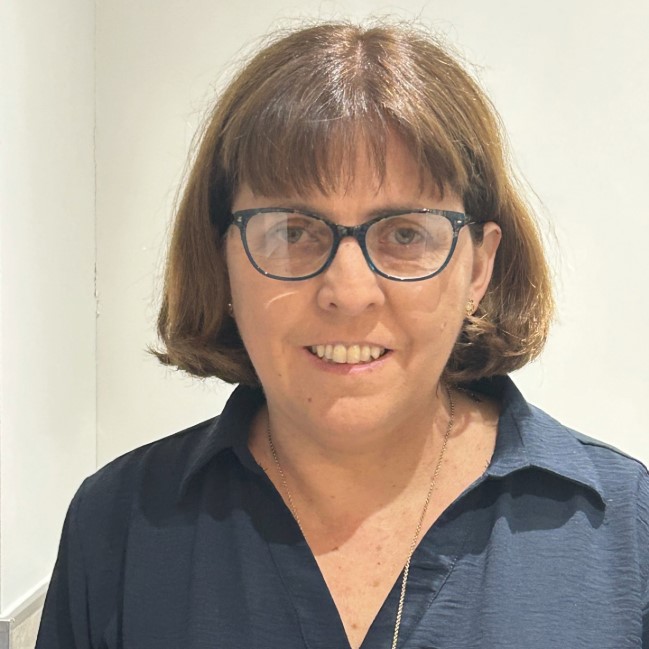
Linda S. Pagani is a Full Professor in Psychoeducation at the Université de Montréal, affiliated with the Faculty of Arts and Sciences and the School of Psychoeducation. She also holds a researcher position at the Centre hospitalier universitaire Sainte-Justine and is part of the GRES research group. With over three decades of academic experience, she has held visiting professorships at the University of Calabria and the University of Pavia (2024–2025). Her research focuses on child development, public health, and environmental influences on well-being, particularly examining screen time, physical activity, and family environment impacts.
Education: PhD in Psychology from McGill University (1993). Prior to academia, she worked as a nurse at Hôpital Reine-Elizabeth for a decade.
Research Interests: Her work spans risk and protective factors in human development, including the effects of screen exposure on children, secondhand smoke toxicity, and the role of physical activity in long-term well-being. She leads an active research lab supervising 8 early-career researchers across international projects (e.g., Italy, Kenya, Cuba). Key themes include longitudinal studies on socio-behavioral outcomes linked to early lifestyle habits.
Publications and Trends: Recent articles emphasize screen time’s long-term risks, physical activity’s academic benefits, and the interplay between environmental factors and child development. Her work bridges applied neuroscience and public health policy.
Awards: Recognized for contributions to mental health and public policy, including Time Magazine’s 2009 Health Research Achievement and multiple Quebec research fellowships.
Grants and Supervision: Leads projects funded by CRSH and IRSC, focusing on school engagement, movement behaviors, and socioeconomic disparities. Supervises over 30 thesis students, with recent projects addressing screen exposure, sports participation, and family meal environments.
Labs/Teams: Directs a lab at the School of Psychoeducation, collaborating globally on initiatives like the SUNRISE study on 24-hour movement behaviors in early childhood.