معرفی
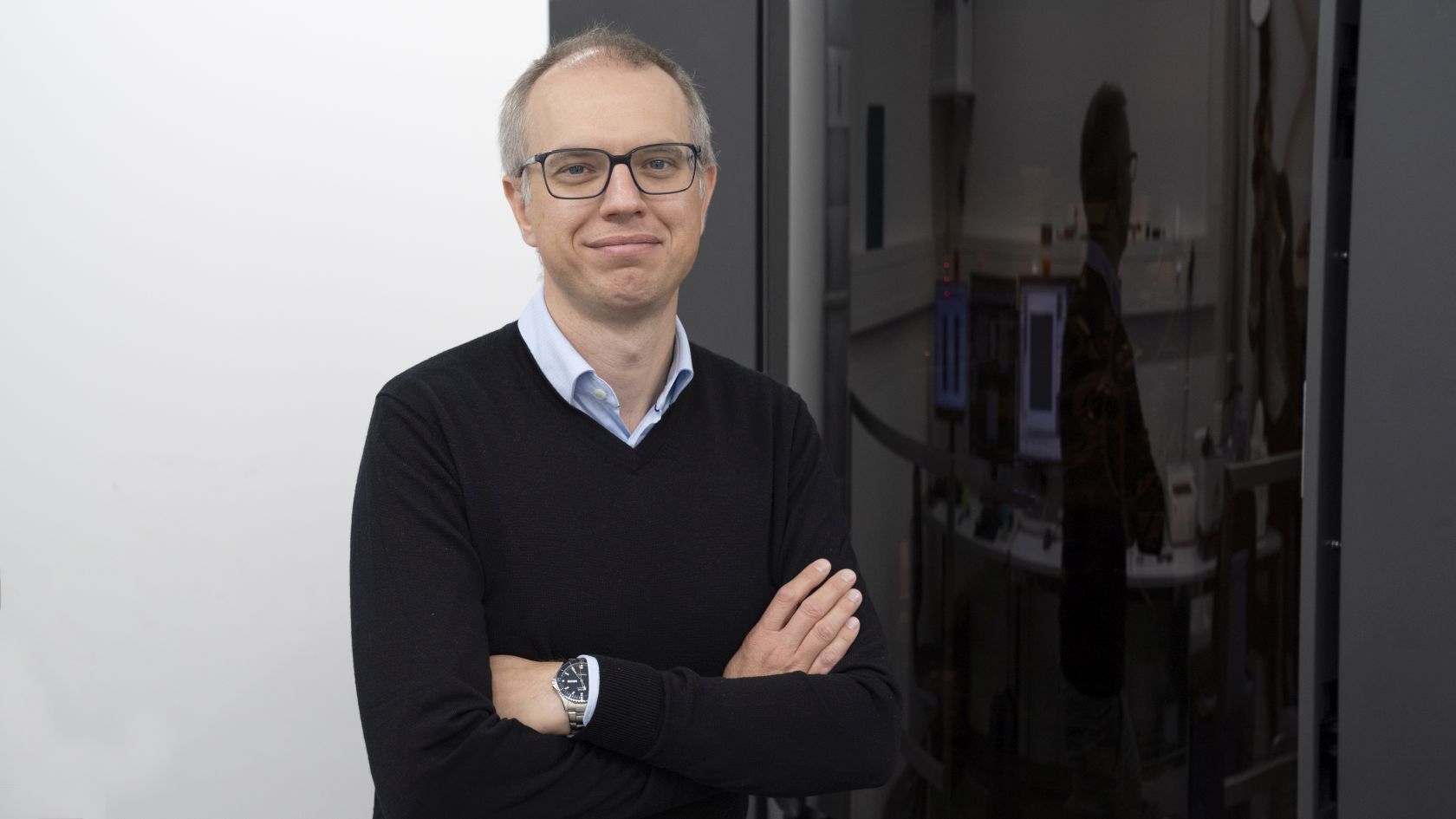
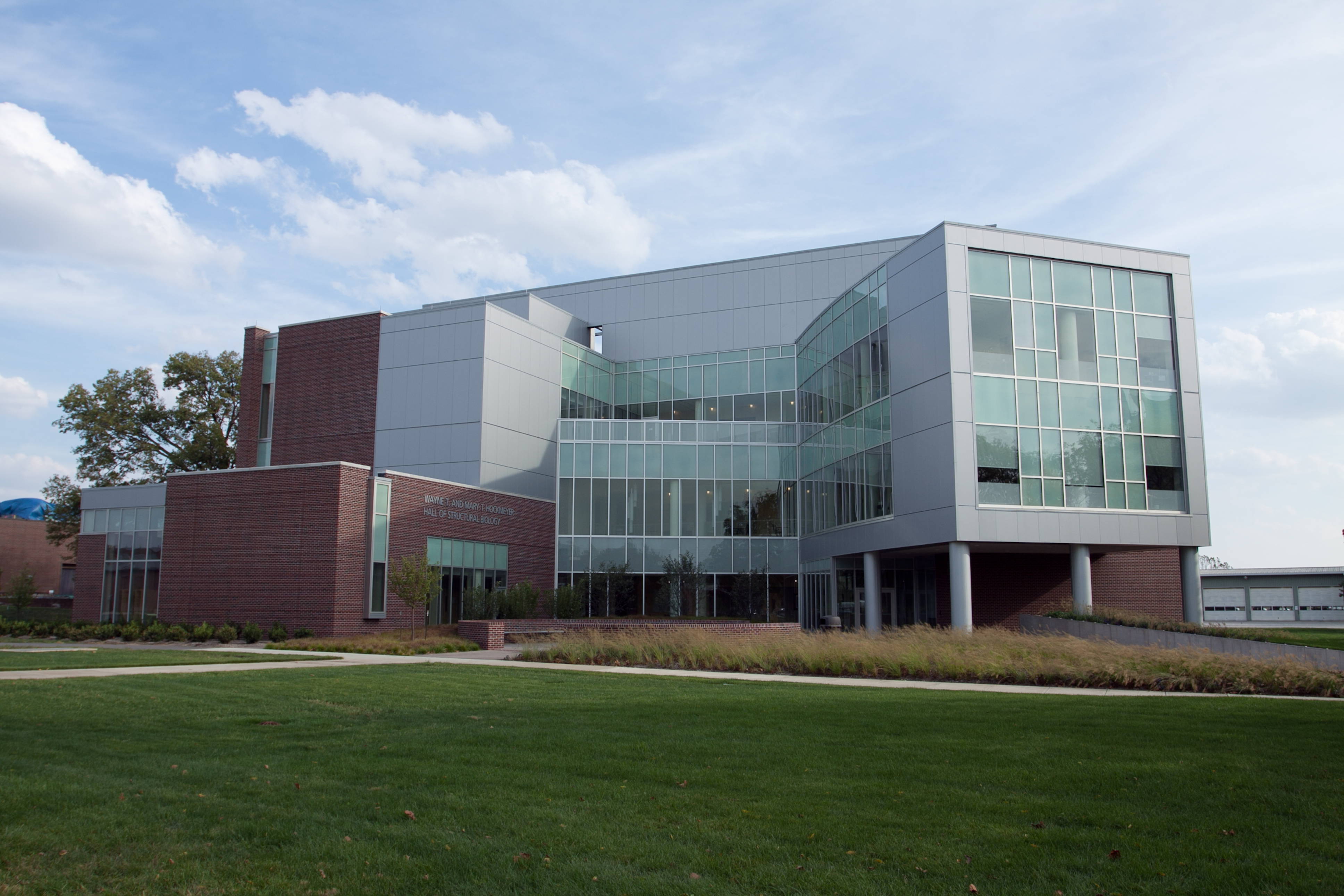
Leifu Chang serves as an Associate Professor in the Department of Biological Sciences at Purdue University's College of Science, where he leads the Leifu Chang Research Group from Hockmeyer Hall of Structural Biology (Room 329). His laboratory specializes in cryo-electron microscopy and biochemical reconstitution approaches to study large protein complexes with emphasis on CRISPR-Cas systems and cell cycle regulation mechanisms.
Education:
- Ph.D. in Biophysics, School of Life Sciences, Tsinghua University, Beijing, China (2006-2012)
- B.Sc. in Biotechnology, School of Life Sciences, Lanzhou University, Lanzhou, China (2002-2006)
Dr. Chang's research program combines single-particle cryo-EM, crystallography, computational methods, and biochemical assays to investigate molecular mechanisms of CRISPR effectors and their inhibition by anti-CRISPR (Acr) proteins. His work has significant implications for improving genome editing precision and safety. The research group maintains active collaborations and has published in high-impact journals including Cell Microbe & Host.
His recent publications demonstrate consistent focus on structural characterization of CRISPR-Cas systems and their regulatory mechanisms, with particular attention to Cas12a-crRNA complexes and their inhibition by various Acr proteins. This research trajectory shows progression from fundamental structural characterization to applied aspects of genome editing technology improvement.
Teaching Activities:
- BIOL 59500SBL: Structural Biology Lab (1 credit)
- BIOL 59500CMA: CRISPR Mechanisms & Applications (3 credits)
- Previously taught Biol 13500: First Year Biology Laboratory
Dr. Chang actively mentors a robust research team comprising multiple graduate students, postdoctoral researchers, visiting scholars, and undergraduate researchers. He co-chaired the 2018 Purdue Cryo-EM Symposium with Dr. Wen Jiang, demonstrating leadership within the structural biology community. His laboratory maintains strong collaborative networks with researchers studying CRISPR systems, phage biology, and structural biology methodologies.