معرفی
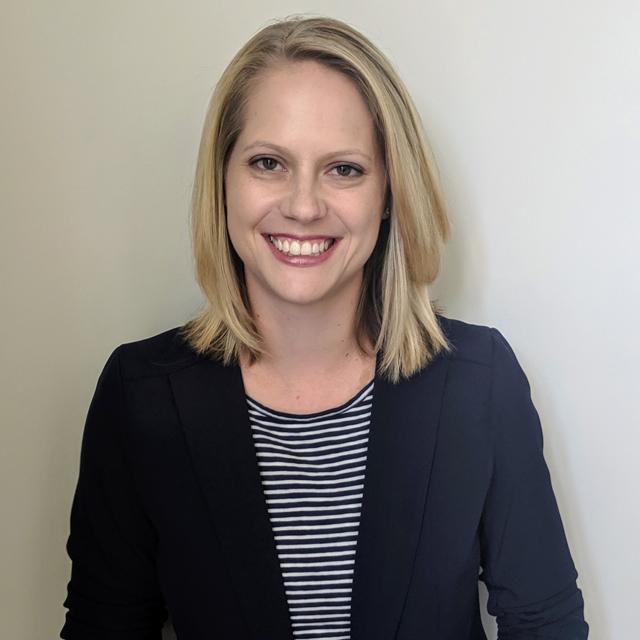
Leanne O'Keeffe is a PhD researcher at the Cambridge Institute for Music Therapy Research within the Cambridge School of Creative Industries at Anglia Ruskin University, and serves as a Visiting Lecturer in Music Therapy at the University of Birmingham. Her doctoral research, funded by Dravet Syndrome UK, investigates the effect of music therapy on behavioural concerns impacting quality of life for children with Dravet syndrome, a rare neurological disorder.
Her academic credentials include:
- MA in Music Therapy from Anglia Ruskin University (2013)
- BMus (Hons) in Music from the University of Birmingham (2010)
Her research integrates clinical practice with academic inquiry across complex and challenging behaviours, child and adolescent mental health, trauma and attachment, rare diseases and disorders, and hospice care for children. With specialized expertise in autism spectrum disorder (ASD) and social, emotional and mental health (SEMH), she draws from extensive frontline experience in special needs schools, children's hospices, and crisis intervention settings to address critical gaps in therapeutic approaches for vulnerable populations.
Her publication record demonstrates focused contributions to music therapy evidence, exemplified by the 2020 case study "Truly meeting Caleb" examining long-term interventions for profound and multiple learning disabilities. This work reflects her commitment to developing practical frameworks that enhance communication, emotional regulation, and quality of life for children with severe disabilities through music-based therapeutic modalities.
As a BAMT approved Supervisor, Leanne provides clinical oversight to music therapy practitioners while advancing her PhD under supervisors Dr Jonathan Pool, Dr Simon Cork, and Prof Sanjay Sisodiya. Her research program at the Cambridge Institute for Music Therapy Research actively collaborates with clinical partners and patient advocacy groups to translate findings into real-world therapeutic applications, particularly for rare neurological conditions like Dravet syndrome.