معرفی
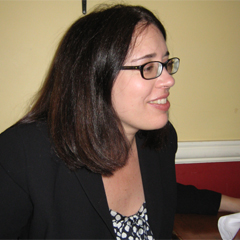
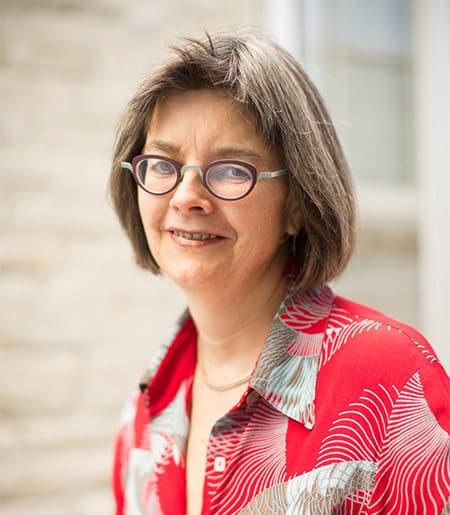
Layne Craig serves as an Instructor II in the Department of English at the AddRan College of Liberal Arts, Texas Christian University, where she teaches courses spanning American literature, gender studies, and medical humanities within a robust liberal arts framework.
Educational Background:
- Ph.D. in English, The University of Texas at Austin (2009)
- M.A. in English, Baylor University (2004)
- B.A. in English with Minor in Business Administration, Baylor University (2002)
Dr. Craig's research critically interrogates intersections between literature, embodiment, and power structures. Her work in 20th/21st century American literature examines how reproductive politics manifest in cultural narratives, while her Gender and Sexuality Studies scholarship analyzes motherhood, queer identities, and medicalization through feminist lenses. In Medical Humanities, she investigates health discourses in literary representations of assisted reproduction and wartime trauma, and her Modernist Studies contributions reveal continuities between early 20th-century literary innovations and contemporary social movements.
Analysis of her 2009-2019 publications reveals a cohesive trajectory exploring women's bodily autonomy across historical contexts—from WWI-era birth strikes to digital fertility narratives. Her interdisciplinary methodology consistently bridges literary analysis with gender theory and medical ethics, demonstrating how narrative forms shape societal understandings of reproduction, sexuality, and state control. Key thematic clusters include the medicalization of women's bodies, resistance through storytelling, and the evolution of feminist discourse from modernist print culture to digital media.
Scientific Awards:
- No awards documented in current profile
While specific advising records aren't detailed, Dr. Craig's curriculum—including the Junior Research Seminar in American Modernism and Women's and Gender Studies courses—indicates active mentorship of undergraduate researchers. Her pedagogical approach integrates medical humanities frameworks across composition and literature courses, suggesting potential grant activity in curriculum development though no specific funding is cited. The absence of laboratory affiliations aligns with her humanities-focused profile, though her medical humanities work implies cross-disciplinary engagement with health studies programs.
Research infrastructure appears centered on traditional humanities methodologies, with scholarly output concentrated in edited collections and university press monographs rather than laboratory-based investigation.