معرفی
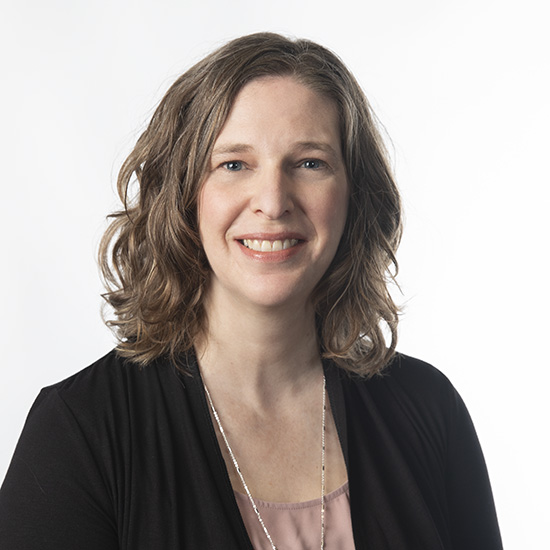
Laura Parks, Ph.D. is an Assistant Professor in the Teacher Education Department at Fort Lewis College in Durango, Colorado. She specializes in preparing future educators with equitable, anti-oppressive educational practices, particularly for historically marginalized students.
Dr. Parks earned her Ph.D. in Learning, Teaching, and Diversity from Vanderbilt University in 2025, an M.Ed. in Learning, Diversity, and Urban Studies from Vanderbilt University in 2016, and a B.A. in English Literature and Secondary Education with a Spanish minor from Wheaton College in 2013.
Her research critically examines restorative practices while centering youth voices in school climate research. Dr. Parks approaches education through liberatory, problem-posing frameworks that bridge Youth Participatory Action Research and Design Based Intervention Research. She investigates how youth and teacher participation in equitable educational practices contributes to positive social change in classrooms and schools, with particular focus on disrupting adult/youth power dynamics.
Dr. Parks has published research in prominent journals including Qualitative Inquiry and Curriculum Inquiry, with work focusing on positionality in race research, opportunity-centered teaching, and culturally responsive education. Her publications demonstrate consistent thematic focus on educational equity, youth empowerment, and critical perspectives on restorative practices across various educational settings from elementary to high school.
- 2025, Outstanding Service Award, Urban Education Journal
- 2023, James Lawson Institute Research Award
- 2020, Nashville Public Education Foundation Blue Ribbon Teacher Award
- 2019, Nashville Public Education Foundation Inspiring Innovation Award
- 2016, James R. Meadows Learning, Diversity, and Urban Studies Scholarship
- 2014-2020, Level 5 Teacher in Metropolitan Nashville Public Schools
As both a researcher and practitioner, Dr. Parks brings eight years of K-12 teaching experience from Metro Nashville Public Schools, where she taught high school English, coordinated Restorative Practices, and founded Restorative Students Leaders. Her student testimonials highlight her ability to create welcoming classroom environments that foster deep, vulnerable conversations and meaningful connections between theory and practice. She founded and continues to lead Restorative Students Leaders, demonstrating her commitment to youth empowerment and participatory approaches to educational change.