معرفی
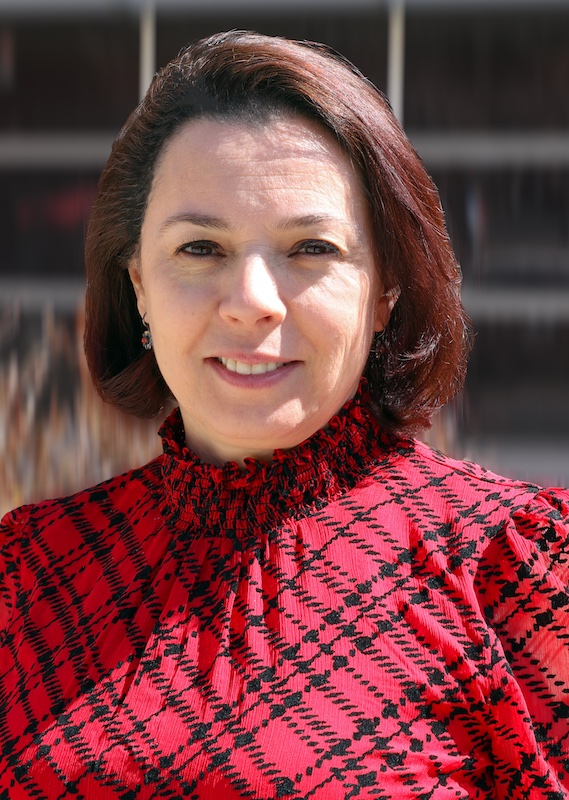
Professor Kyle Lee Hoehn is a leading researcher at the University of New South Wales within the School of Biotechnology and Biomolecular Sciences. His work focuses on developing novel therapeutic approaches for metabolic disorders through mitochondrial pharmacology.
Education:
- Bachelor of Arts in Chemistry, University of Northern Colorado (2000)
- Bachelor of Arts in Biology, University of Northern Colorado (2000)
- Master of Science in Biochemistry, Colorado State University (2001)
- PhD in Biochemistry and Molecular Biology, Colorado State University (2005)
Professor Hoehn's research centers on mitochondrial function and metabolism, with particular emphasis on developing mitochondrial uncoupler drugs for treating obesity, diabetes, and related metabolic disorders. His laboratory investigates how manipulating mitochondrial efficiency can improve metabolic health without affecting food intake. His work spans basic biochemistry of mitochondrial function to translational studies in animal models of metabolic disease. The research has significant implications for developing new therapeutic approaches for conditions affecting millions worldwide.
Analysis of his recent publications (2018-2025) shows a consistent focus on mitochondrial uncoupling as a therapeutic strategy for metabolic disorders. His work increasingly examines liver-selective compounds and combination therapies, with a strong emphasis on translational potential. The research spans multiple disciplines including biochemistry, pharmacology, and metabolic physiology, with applications in obesity, diabetes, and non-alcoholic fatty liver disease.
Research Support:
- 2 NHMRC Ideas grants (2022-2025)
- 1 NHMRC Development grant (2022-2024)
- 1 NIH-R01 grant (2021-2025)
Professor Hoehn actively supervises research students and coordinates the second-year course 'Current Trends in Biotechnology' (BABS2011). His laboratory has established itself as a leader in mitochondrial pharmacology for metabolic disorders, with a strong publication record in high-impact journals including Science, Nature Communications, and Diabetes. The team employs a multidisciplinary approach combining biochemistry, pharmacology, and physiology to address fundamental questions about energy metabolism and develop novel therapeutics.