معرفی
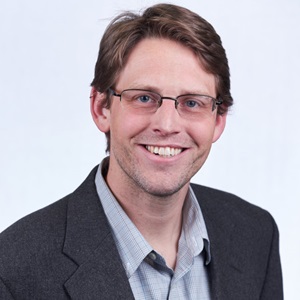
Kristopher V Waynant serves as Associate Professor in the Department of Chemistry within the College of Science at the University of Idaho. He also holds a Participating Faculty position at the Institute for Modeling Collaboration and Innovation under the Office of Research and Economic Development.
His academic credentials include a PhD in Organic Chemistry from New Mexico State University (2008) and dual undergraduate degrees from Virginia Tech (2002): a BS in Chemistry and a BA in Biochemistry.
Dr. Waynant's research spans multiple frontiers of chemical science with emphasis on:
- Design and application of arylazothioformamide/arylazoformamide ligands for metal coordination
- Development of catalytic methods (CuAAC, Sonogashira, Suzuki-Miyaura) for organic synthesis
- Sustainable e-waste metal recycling through ligand-based dissolution techniques
- Biomaterials engineering for biofilm prevention and therapeutic applications
- Hydrogel systems for bioremediation and biomedical uses
Analysis of his 2023-2025 publications reveals a strategic shift toward interdisciplinary environmental and biomedical solutions. Key trends include ligand-engineered metal recovery from electronic waste, advanced coatings for microbial resistance in extreme environments (including microgravity), and therapeutic development using metal-peptide complexes. His work consistently bridges synthetic chemistry with practical sustainability challenges.
Dr. Waynant has secured significant external funding including the NSF-funded REU Site: Elements of Sustainability (2024) for undergraduate research training and the Collaborative Research: CAS-SC grant (2024) focused on e-waste metal recovery. His educational initiatives extend to curriculum development for course-based undergraduate research experiences (CUREs) in chemistry laboratories, particularly emphasizing bioremediation relevance and STEM retention strategies.
Through the Institute for Modeling Collaboration and Innovation, he participates in cross-disciplinary teams developing computational models for chemical systems. His laboratory integrates synthetic organic/inorganic chemistry, materials characterization, and biological evaluation to address environmental remediation and biomedical challenges.