معرفی
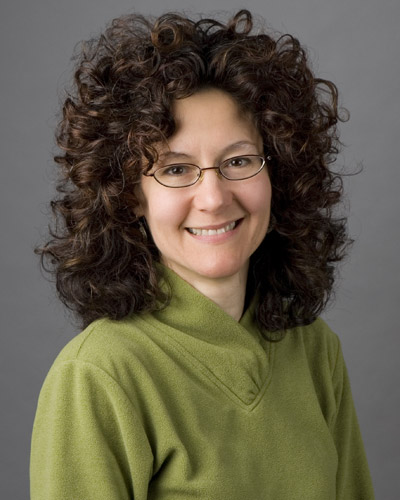
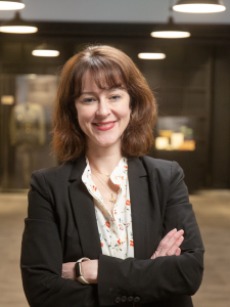
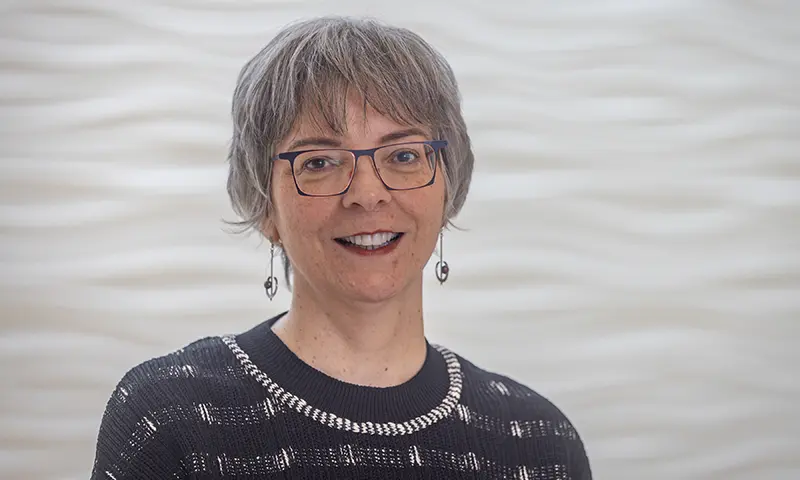
Kristen Welsh is Associate Professor of Russian Area Studies and Dean of Global Education at Hobart and William Smith Colleges (HWS). She joined the faculty in 2002 and has developed a robust academic profile in Russian and Russian-American literature, pedagogy, and international education. Her institutional affiliations include leadership in the Russian Area Studies program and extensive involvement in global academic programs.
- Ph.D., Yale University
- M.Phil., M.A., Yale University
- A.B., Brown University
Her scholarly interests center on contemporary Russian-American writers, particularly Vladimir Nabokov and Vladislav Khodasevich, and Russian émigré literature from 1922–1939. She explores themes of literary creativity, poetic inspiration, and creative ecology. Her pedagogical research focuses on innovative teaching methods such as flipped and blended learning for Russian language instruction and gradeless teaching for equity. She has taught a wide range of courses in Russian language (all levels), Russian culture, and literature, including specialized seminars on alienation and intimacy, Russian women writers, and Soviet film.
Her recent publications reflect a strong interdisciplinary trend, combining literary analysis with cultural studies, pedagogical innovation, and social justice. Articles and book chapters examine the intersection of body and place in fiction, Nabokovian intertextuality, and transformative teaching models. Notably, her co-authored chapter received an Honorable Mention for the MLA’s Kenneth W. Mildenberger Prize.
- Honorable Mention, MLA Kenneth W. Mildenberger Prize (2019–2020)
Welsh has led numerous international programs, including HWS study tours in Moscow and St. Petersburg, Fulbright-Hays seminars in Siberia (2006, 2009, 2016, 2021), and semester programs in Rome (2013) and Galway, Ireland (2022). She has taught specialized courses abroad such as 'In Search of Rome' and 'Craft, Community, Creativity: Microbusiness Galway.' Her service includes active participation in professional organizations like ASEEES, AATSEEL, and ACTR, as well as leadership roles in Phi Beta Kappa and ACTR’s Council on Diversity, Equity, Access, and Inclusion.
She does not appear to lead a formal lab or research team, but her work involves collaborative projects, particularly in pedagogy and international education initiatives.