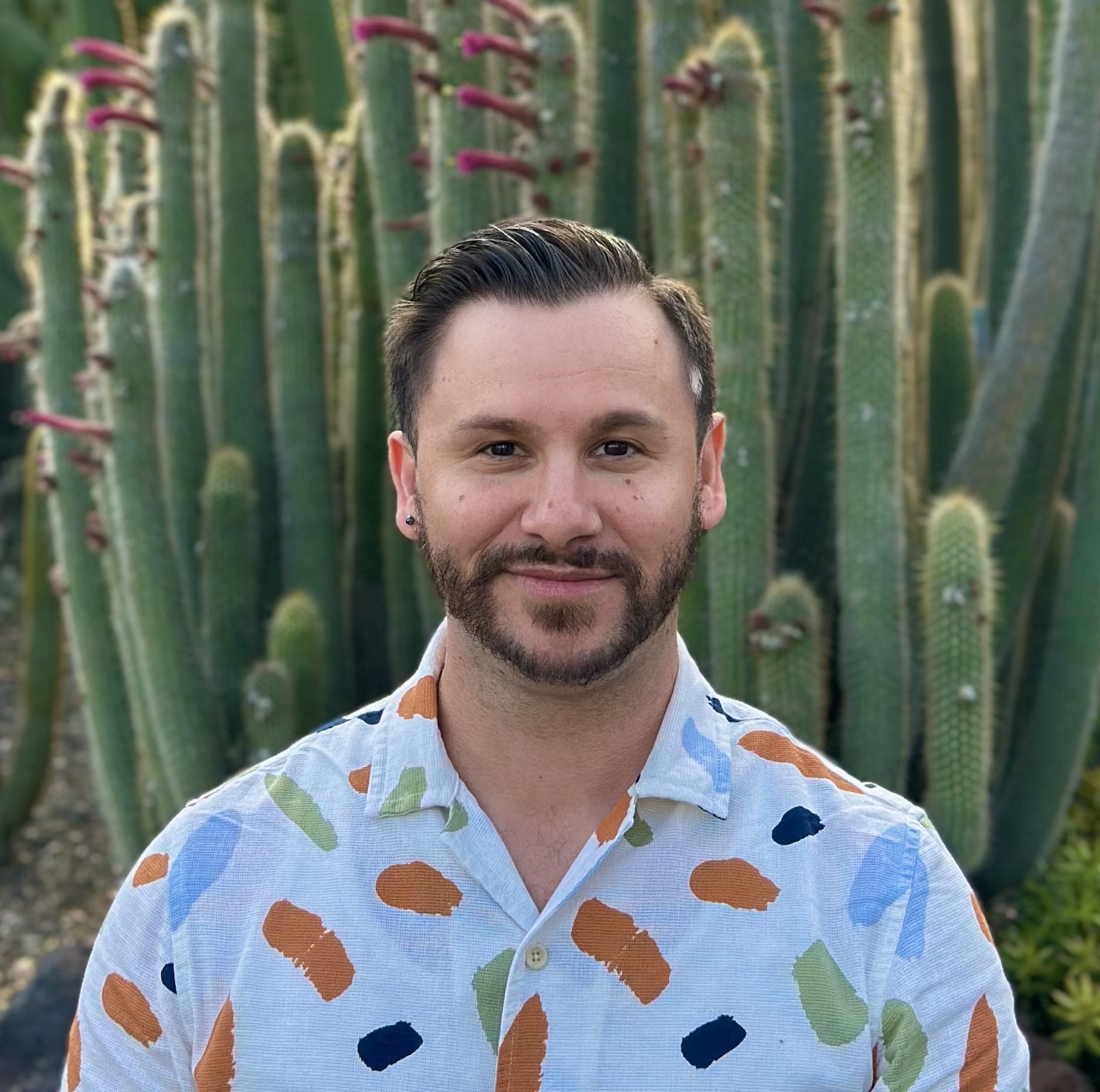
Kornel S. Chang
استاد · Asian American History
Rutgers, The State University of New Jerseyمعرفی
Kornel S. Chang is Professor of History and Chair of the History Department at Rutgers University–Newark, within the School of Arts and Sciences. His research centers on U.S. immigration, foreign relations, and transnational history, with a focus on U.S.-East Asian relations, race, labor, and decolonization.
Education:
- Ph.D., University of Chicago
His research explores the intersections of race, empire, and migration, particularly in the Pacific world. He is known for his work on the U.S.-Canadian borderlands and the U.S. occupation of Korea. His scholarship bridges American history, Asian American studies, and transnational labor movements, emphasizing how racial formation and state power shaped cross-border dynamics.
His recent publications reveal a strong thematic focus on decolonization, labor activism, propaganda, and gendered resistance in borderland and occupied regions. The articles span the late 19th to early 21st centuries, showing a consistent engagement with marginalized voices and the legacies of empire.
Scientific Awards and Honors:
- 2021 Binkley-Stephenson Award, Organization of American Historians
- 2014 Association of Asian American Studies Book Prize in History
- 2013 John Hope Franklin Prize Runner-Up
- ACLS Charles Ryscamp Fellowship (2014–2015)
- Charles Warren Center Fellowship, Harvard (2011–2012)
- ERM Postdoctoral Fellowship, Yale (2008–2010)
- Mellon Foundation Co-Investigator Grant (2020–2021)
Chang has secured significant research funding, including a $225,000 Mellon Foundation grant as co-investigator for a Sawyer Seminar on migration in American cities. He mentors graduate students and contributes to public scholarship through books and journal articles. He is currently working on a comprehensive history of U.S.-North Korean relations, tracing the persistence of Cold War dynamics on the Korean Peninsula.
He is affiliated with interdisciplinary centers and initiatives in American Studies and Ethnicity, Race, and Migration, reflecting the breadth of his scholarly impact.