معرفی
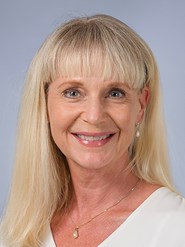
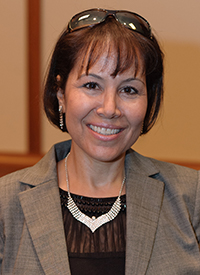
Dr. Kennedy Sigodo is a Lecturer at Glasgow Caledonian University London with an active research profile in public health. Their work focuses primarily on Kuwait and the State of Qatar, addressing critical issues including mental health, violence against children, and the impacts of public health crises like the COVID-19 pandemic. Dr. Sigodo serves as Co-Investigator on multiple research projects, including ENGAGE and the SoCap series, which examine social capital theory as a framework for improving mental health outcomes among young people.
Dr. Sigodo's research interests span public health, mental health, social capital applications, violence against children, health promotion, and non-communicable disease prevention. Their work demonstrates strong geographic focus on Middle Eastern contexts, particularly Kuwait and Qatar, with publications examining culturally-specific health challenges and interventions. The research portfolio shows particular expertise in analyzing behavioral responses to public health interventions and developing context-appropriate health promotion strategies.
Dr. Sigodo's publication record includes 6 research outputs between 2020-2025, with significant impact including policy references and media coverage. Their 2021 study on physical activity during the pandemic in Kuwait received 33 citations, demonstrating the relevance and reach of their work. The research output shows consistent productivity across multiple public health domains with a focus on practical applications for health systems in the Middle East.
- Active Co-Investigator on ENGAGE project examining social, cultural and political identities
- Co-Investigator on SoCap projects focused on social capital and youth mental health
- Research contributes to UN Sustainable Development Goals related to health and well-being
- Multiple publications with policy impact and media coverage
Dr. Sigodo completed their PhD in 2023 with research on social capital as a theory of change for adolescent mental health. Their current work continues to bridge academic research with practical public health applications, particularly in Middle Eastern contexts where culturally-specific approaches to health promotion are critically needed.