معرفی
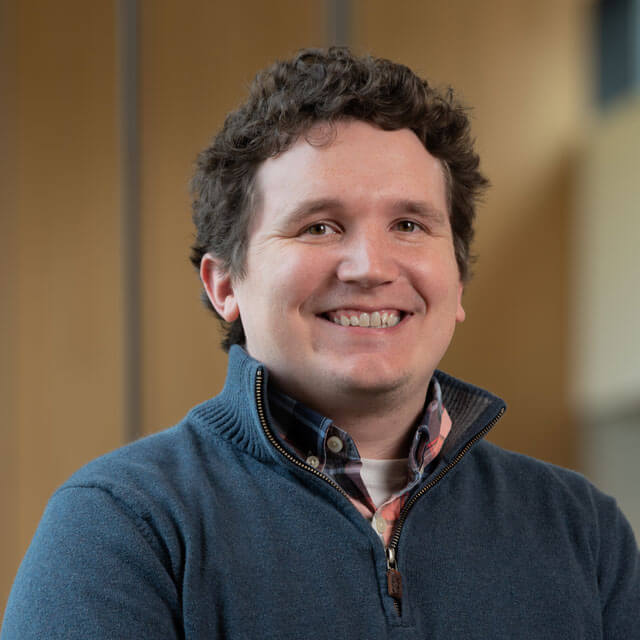
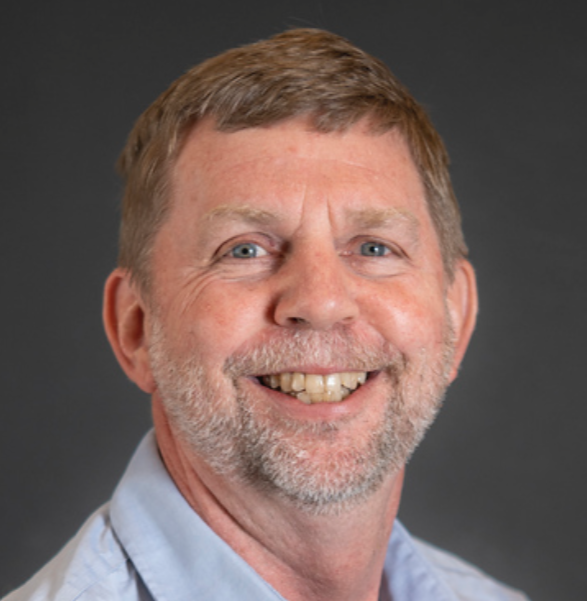
Ken Visser serves as Professor of Engineering at Calvin University, where he currently leads the Aerospace Engineering Concentration development. Previously, he held faculty positions at Clarkson University since 1998 and gained industry experience through roles at NASA Langley Research Center and The Boeing Company.
His academic credentials include:
- Ph.D. in Engineering from University of Notre Dame (1991)
- M.S. in Engineering from University of Notre Dame (1988)
- B.Sc. in Engineering from University of Calgary (1986)
Visser's research centers on applied aerodynamics with emphasis on ducted wind turbine design, ground vehicle drag reduction, and aircraft wing optimization methodologies. His work bridges theoretical aerodynamics with practical engineering applications, focusing on energy efficiency improvements in renewable energy systems and transportation. Current projects integrate computational modeling with experimental validation to address real-world implementation challenges.
Analysis of his 12 publications (2010-2024) reveals consistent focus on ducted wind turbine performance optimization through computational fluid dynamics and experimental testing. Key trends include power extraction maximization strategies, rotor position sensitivity studies, and full-scale prototype validation. His research demonstrates strong industry relevance with applications in sustainable energy systems and aerodynamic design.
Professional highlights include a patented wingtip design implemented on Boeing 767-400ER aircraft, contributions to the High Speed Civil Transport project, and collaborative work with AmericaOne during the 2000 America's Cup campaign. He also maintained international research partnerships through sabbaticals at Germany's DLR aerospace center and collaborations with Fairchild Dornier Aircraft.
Visser actively engages students through hands-on projects, notably developing a 3-meter ducted wind turbine prototype at Clarkson University. At Calvin, he continues this experiential approach while establishing new aerospace engineering curriculum and research infrastructure.