معرفی
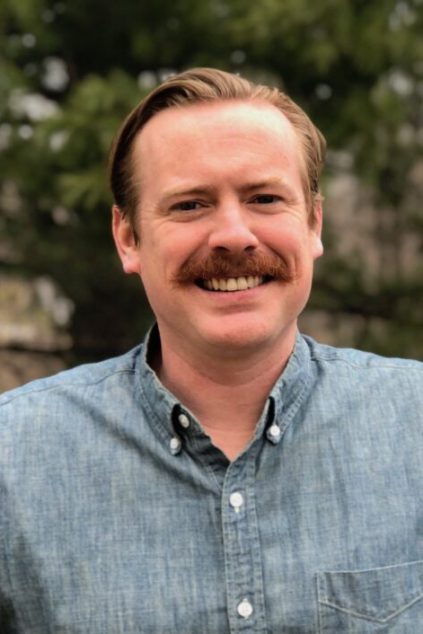
Keith Evans is an Associate Professor of Marine Resource Economics in the School of Economics at the University of Maine, part of the College of Natural Sciences, Forestry and Agriculture. He is affiliated with the Maine Agricultural and Forest Experiment Station and conducts interdisciplinary research at the intersection of economics, marine policy, and environmental science. His work is supported by grants from NOAA, NSF, and USDA.
Education:
- Ph.D., Economics, Iowa State University
- B.A., Economics (with Honors), California State University, Chico
Keith Evans specializes in environmental and natural resource economics, with a strong focus on marine systems. His research explores how climate change, management policies, and economic forces shape the seafood economy. Key areas include rights-based fisheries management, cooperation in commons, marine aquaculture (particularly through the SEANET project), non-market valuation, and consumer preferences for seafood. He employs applied econometric and microeconomic models to analyze fisher behavior, cross-fishery dynamics, and policy effectiveness.
His recent publications reflect a consistent theme in marine resource economics, focusing on valuation methods, aquaculture development, and fisheries resilience. These works employ discrete choice experiments, hedonic models, and bioeconomic simulations to understand human-environment interactions in coastal systems.
Scientific Awards and Recognitions (of his students):
- Most Outstanding Graduate Student in School of Economics, 2021 (Nick Alvarez)
- Most Outstanding Graduate Student in School of Economics, 2019 (Olga Bredikhina)
- Most Outstanding Graduate Student in School of Economics, 2017 (Christina Robichaud)
- Best Paper at the Vietnam Economist Annual Meeting, 2018 (Nguyen Dinh Tuan Vuong)
Keith Evans actively mentors graduate students through research assistantships funded by his grants, including projects on the Gulf of Maine northern shrimp fishery and the SEANET aquaculture initiative. He accepts students from both Economics and Ecology and Environmental Sciences programs. Funding for students comes from research grants, fellowships (including NSF GRFP and EPA Fellowships), and competitive graduate assistantships that cover stipends, tuition, and health insurance.
He leads research within the Sustainable Ecological Aquaculture Network (SEANET), an interdisciplinary project aimed at developing a socially and ecologically sustainable aquaculture industry in Maine. His lab investigates topics such as the impact of aquaculture on coastal property values, consumer preferences for labeled seafood, and adaptive management strategies for climate-affected fisheries.
حوزههای پژوهشی