معرفی
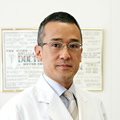
Professor Katsunori Yanagihara serves as Professor in the Department of Pathological Analysis and Diagnostics at Nagasaki University's Graduate School of Biomedical Sciences since 2013, following his tenure as Associate Professor (2011-2012) and Lecturer at Nagasaki University Hospital (2006). His career spans clinical microbiology, laboratory diagnostics, and infection control, including a concurrent role as Deputy Director of the Infection Control Education Center (2007-2012).
His educational background includes:
- MD from Nagasaki University School of Medicine (1991)
- Graduate studies in Internal Medicine at Nagasaki University (1993-1997)
- Research fellowship at University of Nebraska's Department of Biochemistry and Molecular Biology (1997)
Yanagihara specializes in clinical microbiology and laboratory diagnostics, emphasizing scientific interpretation of test data for accurate clinical diagnoses. His research focuses on molecular diagnostic techniques for infectious diseases, antimicrobial resistance mechanisms, and pathophysiological analysis of abnormal test values. He actively integrates advancing technologies like real-time PCR into diagnostic frameworks, addressing the growing criticality of precise infectious disease identification in clinical practice.
His publication record demonstrates consistent expertise in bacterial pathogen characterization, particularly MRSA epidemiology, molecular detection methods, and host-pathogen interactions. Key thematic areas include antimicrobial susceptibility testing, virulence factor modulation, and rapid diagnostic kit validation, with significant contributions to understanding community-acquired versus nosocomial infections and antibiotic resistance mechanisms.
No scientific awards were documented in the provided materials.
Professor Yanagihara supervises the Masters Programme in Global Health and Medicine at Nagasaki University, focusing on training students in diagnostic interpretation principles. While specific grant funding details are absent from the text, his research output indicates sustained investigation into clinical microbiology challenges requiring institutional or collaborative support.
His leadership as Deputy Director of the Infection Control Education Center (2007-2012) reflects active engagement in institutional infection prevention initiatives. Current work within the Department of Pathological Analysis and Diagnostics likely involves multidisciplinary teams spanning clinical laboratories, research units, and hospital infection control committees focused on diagnostic innovation and pathogen surveillance.