معرفی
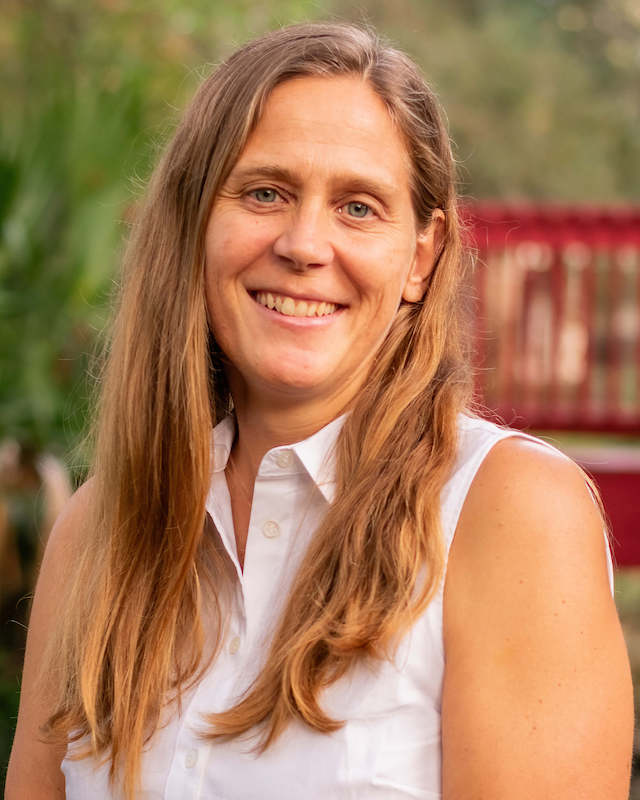
Dr. Katharine Horzmann is an Associate Professor in the Department of Pathobiology at Auburn University's College of Veterinary Medicine. She holds dual doctoral degrees as a Doctor of Veterinary Medicine (DVM) and a PhD in Toxicology, along with a Master of Public Health (MPH). Dr. Horzmann is a Diplomate of the American College of Veterinary Pathologists (DACVP) and actively contributes to teaching, diagnostic pathology, and research missions at Auburn University.
Her educational background includes:
- PhD in Toxicology from Purdue University (2018)
- DVM from University of Missouri-Columbia (2011)
- MPH from University of Missouri-Columbia (2010)
- BS in Animal Science from University of Missouri-Columbia (2007)
Dr. Horzmann's research follows the "One Health" concept, connecting environmental, veterinary, and human health. Her primary focus is determining the health effects of developmental exposure to drinking water contaminants using the zebrafish model. She investigates developmental toxicity of chemical mixtures, the developmental origins of health and disease related to toxicant exposures, and zebrafish behavior. Her work bridges toxicology, veterinary pathology, and environmental health with significant implications for understanding how environmental contaminants affect biological systems across species.
Analysis of Dr. Horzmann's publication record reveals a strong focus on zebrafish as a model organism for environmental toxicology, with particular emphasis on atrazine, trichloroethylene, and other contaminants. Her research spans multiple disciplines including toxicology, epigenetics, developmental biology, and veterinary pathology. Recent publications show increasing collaboration across fields and a growing emphasis on the connections between environmental pollutants and neurodegenerative disorders.
Professional recognition includes:
- Diplomate of the American College of Veterinary Pathologists (DACVP)
Dr. Horzmann actively contributes to diagnostic pathology services at Auburn University. Her research program integrates laboratory investigations with clinical veterinary medicine, focusing on how environmental exposures during development can lead to long-term health consequences. She collaborates with researchers across disciplines to address complex questions at the intersection of environmental science and health.
Her laboratory work primarily utilizes the zebrafish biomedical model to study developmental toxicity, with research programs examining both single chemical exposures and complex mixtures found in drinking water. This approach allows for high-throughput screening of environmental contaminants while providing insights relevant to vertebrate biology broadly.