معرفی
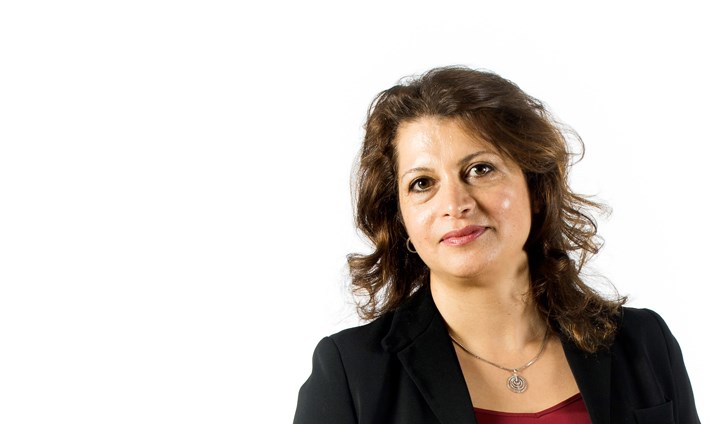
Katarina Ejeskär is a Professor of Biomedicine at the University of Skövde's School of Health Sciences, where she has been employed since 2015. She leads the Translational Medicine TRIM research group and is responsible for the university's fruit fly facility used in both research and teaching. Prior to her position at Skövde, she led her own research group at Sahlgrenska Academy and has been an Associate Professor in experimental clinical genetics since 2011. She earned her undergraduate degree in molecular biology from the University of Gothenburg and completed her PhD in clinical genetics from Sahlgrenska Academy in 2000 with a thesis focused on neuroblastoma genetics.
Her primary research interest centers on childhood cancer, particularly neural tumors with a focus on 11q-deleted neuroblastoma. She investigates genetic changes in tumors and their effects on tumor survival and growth using cultured cells, fruit fly models, and primary tumor material. Her work often analyzes genetic data from publicly available databases to formulate testable hypotheses. She has established several collaborative projects with researchers including Ferenc Szekeres (digitoxin treatment of pancreatic cancer), Homa Tajsharghi (rare genetic disorders), Åsa Torinsson Naluai (gluten intolerance, diabetes and probiotics), Victoria Rotter Sopasakis (alternative splicing and PI3K signaling), and Frida Abel (fusion genes in brain tumors).
Her recent publications from 2020-2025 demonstrate a strong focus on neuroblastoma genetics, pancreatic cancer treatments, and genetic disorders. The research shows consistent exploration of molecular mechanisms underlying cancer progression, with particular attention to genetic deletions, fusion genes, and potential therapeutic targets. Her work frequently employs bioinformatics approaches alongside experimental validation using multiple model systems.
She has received research funding for projects including childhood cancer research, pancreatic cancer treatment with digitoxin, gluten intolerance and diabetes, and obesity and androgen excess in women. Her most recent projects include examining eye movements and biomarkers during moderate alcohol consumption (2024-2026) and investigating mobile phone-based interventions for reducing alcohol consumption (2025-2026).
As an educator, she teaches primarily in the Biomedicine Program, focusing on genetics, tumor biology, and thesis work. She serves as the main supervisor for doctoral students and coordinates various courses at both bachelor's and master's levels. Her commitment to integrating research with education is evident through her management of the fruit fly facility used for both research and teaching purposes.