معرفی
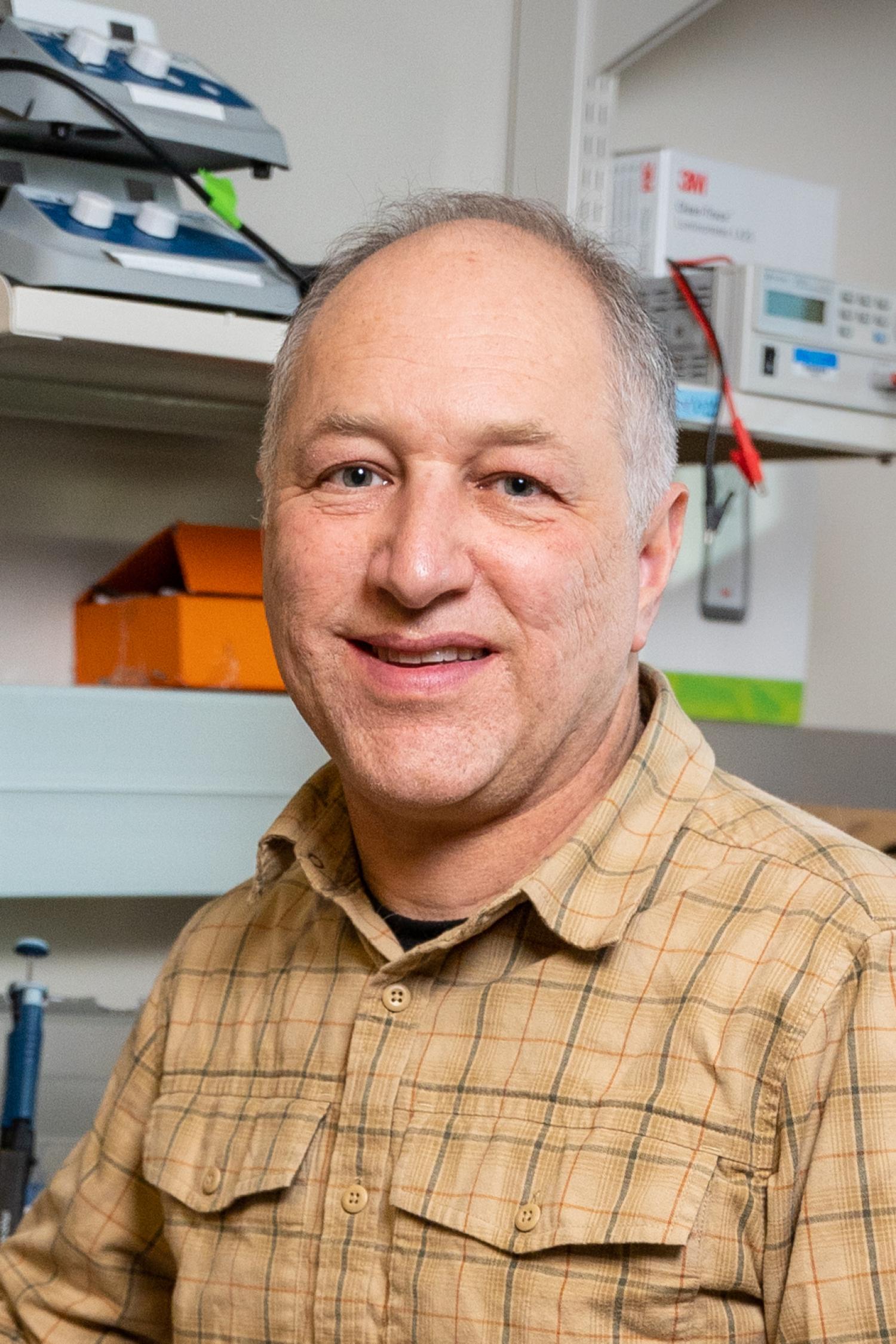
Karl G. Linden is the Mortenson Professor in Sustainable Development at the University of Colorado Boulder, serving as Department Chair of Civil, Environmental and Architectural Engineering and Associate Director of the Mortenson Center in Global Engineering. He holds affiliations with the College of Engineering and Applied Science and the Mortenson Center in Global Engineering, focusing on water sustainability and environmental engineering.
Education: Ph.D., Civil and Environmental Engineering (UC Davis, 1997); M.Sc. (UC Davis, 1993); B.Sc., Agricultural and Biological Engineering (Cornell University, 1989).
Research Interests: His work centers on UV-based water treatment, advanced oxidation processes, and sustainable water infrastructure for developing communities. Key areas include disinfection efficacy, pathogen inactivation, and global health applications. He emphasizes translating research into practical solutions for small-scale systems and developing regions.
Recent Publications: Over 180 peer-reviewed articles, including studies on UV-LED disinfection, far-UVC radiation for pandemic control, and sustainable sanitation systems like Sol-Char. Recent work explores UV advanced oxidation with nitrate sensitization, biofilm control, and solar-driven remediation.
Scientific Awards: Recipient of the 2023 International Ultraviolet Association Lifetime Achievement Award, 2020 Clarke Prize, AAAS Fellowship, and multiple industry recognitions for innovation in water treatment. His AEESP leadership has addressed diversity and inclusion in engineering.
Advising & Grants: Advised students such as Sara Beck and Austa Parker, recipients of AEESP Dissertation and Student Paper Awards. Funded by NSF, EPA, and Gates Foundation, his research bridges academia and industry. Collaborations span global institutions like Technical University of Munich and University of Tokyo.
Labs/Teams: Leads initiatives at the Mortenson Center and Water-Energy Nexus Theme, advancing UV technologies and global water systems. Involved in international projects like the DRIP Concept for drought resilience in Africa.