معرفی
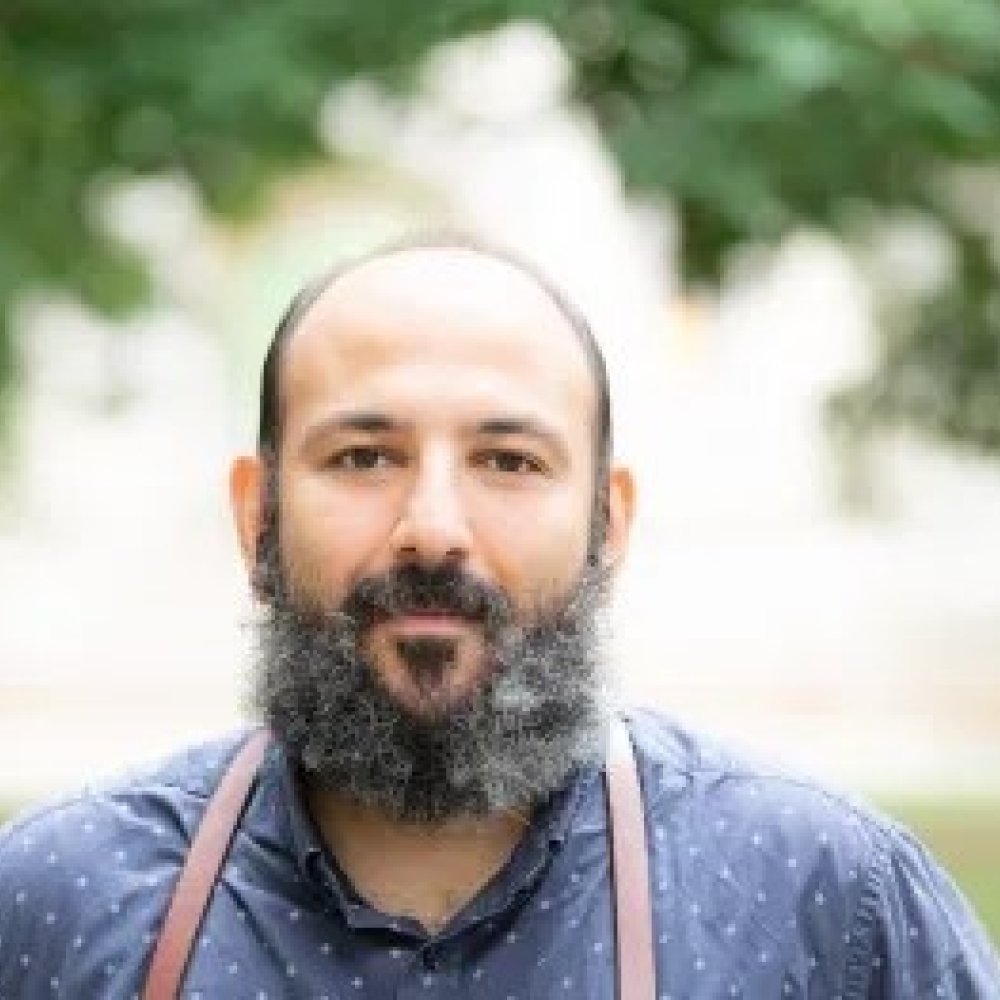
Karim Alizadeh is an Assistant Professor of Anthropological Archaeology at the University of Tennessee-Knoxville. His research focuses on the development of social complexity and empires in Southwest Asia and the Caucasus through landscape archaeology. He holds a PhD from Harvard University (2015) and has conducted extensive fieldwork in Iranian Azerbaijan, including directing excavations at the Early Bronze Age site Köhne Shahar. His work examines themes such as border dynamics, forced migration, and the archaeology of empires, with a particular emphasis on the Sasanian and Kura-Araxes cultures.
Education: PhD (2015) in Anthropology from Harvard University; MA (2010) from Harvard and MA (2001)/BA (1998) in Archaeology from the University of Tehran. His academic career includes roles as Visiting Assistant Professor at Grand Valley State University and Fellow at Harvard University.
Research Interests: Social inequality, landscape archaeology, archaeology of empires, borders and borderlands, societal collapse, cultural heritage, and identity politics. He combines fieldwork with interdisciplinary methods like isotopic analysis and GIS to study ancient subsistence strategies and social organization.
Publications include over 20 peer-reviewed articles and two forthcoming monographs on ancient border dynamics and Iranian archaeology. His work bridges archaeological evidence with historical narratives to explore how political and environmental factors shaped ancient societies.