معرفی
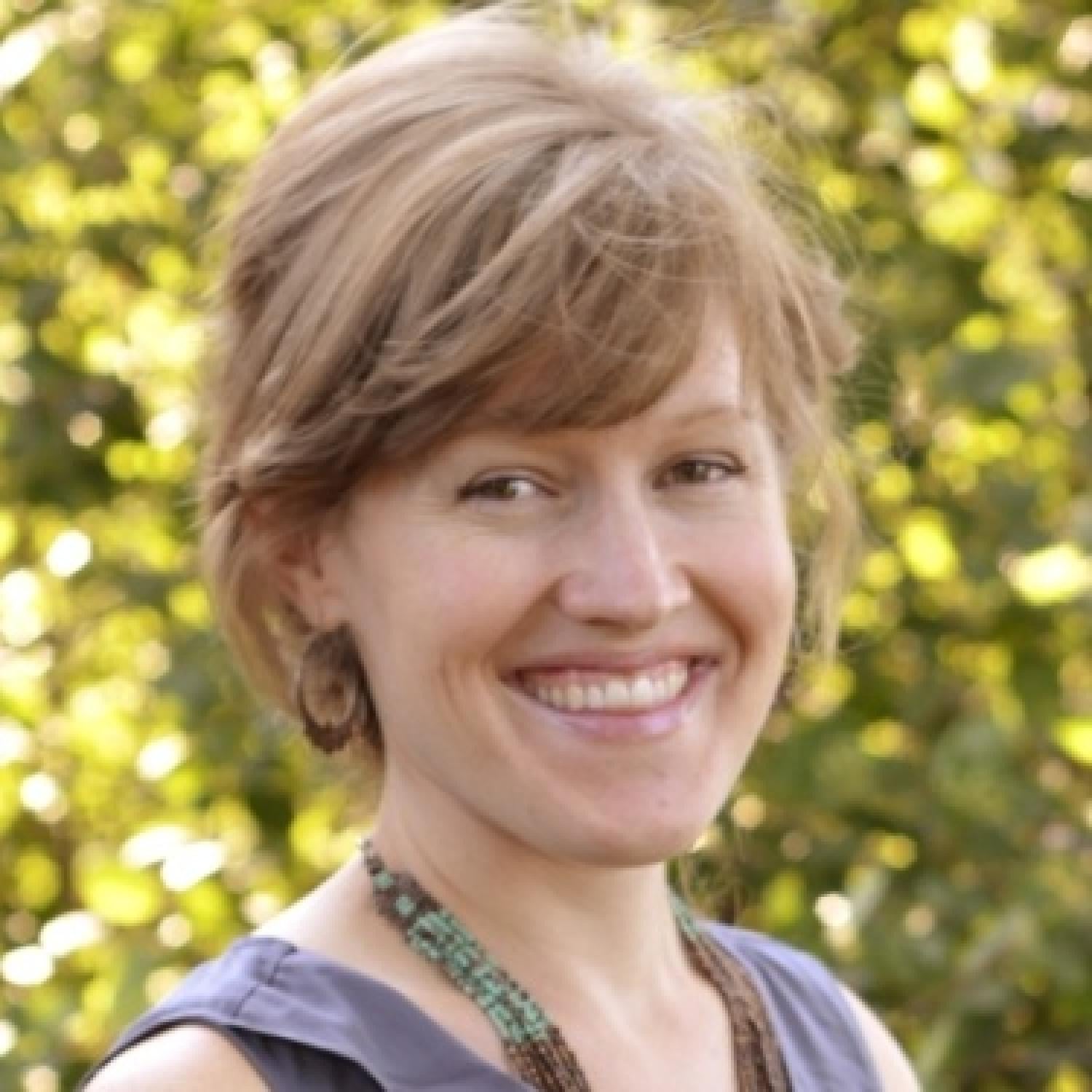
Kari Sholtes is an Instructor in the Department of Civil Engineering at Colorado Mesa University, within the College of Engineering. She holds a PhD in Environmental Engineering from the University of Colorado Boulder and has extensive experience as a civil and environmental engineer in both public and private sectors, as well as with NGOs.
Education:
- PhD, Environmental Engineering – College of Engineering, University of Colorado Boulder
- MS, Environmental Engineering – Gillings School of Global Public Health, University of North Carolina, Chapel Hill
- BS, Civil Engineering – College of Engineering, University of Colorado Boulder
Her research focuses on drinking water treatment technologies, particularly ultraviolet (UV) disinfection systems and appropriate, sustainable solutions for underserved communities. She emphasizes stakeholder engagement, operational simplicity, and public health protection in water infrastructure development. Her work bridges engineering design with community needs and public health outcomes.
Her publications reflect a strong trend in applied environmental health engineering, with a focus on water safety, pathogen control, and practical guidance for field implementation. Key areas include UV disinfection, cholera prevention, Salmonella outbreaks, and safe water access in low-resource settings.
Scientific Contributions:
- Published research on UV-LEDs vs. mercury lamps for water disinfection
- Contributed to CDC reports on cholera and Salmonella outbreaks
- Authored water safety plans for Caribbean nations
- Developed training materials for community health workers
- Explored private-sector models for expanding water access
Kari Sholtes has advised on public health engineering projects with the CDC, Pan-American Health Organization, and World Bank. Her work includes grant-supported research and technical guidance for emergency response and infrastructure development, particularly in vulnerable communities. She is actively involved in translating engineering research into real-world solutions.
She contributes to water infrastructure development through applied research, policy guidance, and collaboration with public health institutions. Her efforts are centered on creating resilient, community-centered water systems that prioritize safety, simplicity, and equity.