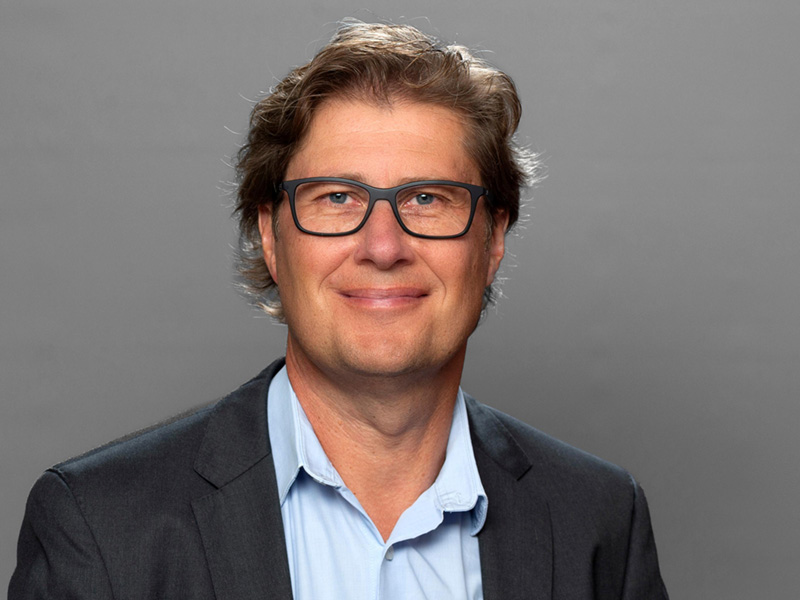
معرفی
Karen Sermon is a distinguished Professor at Vrije Universiteit Brussel's Faculty of Medicine and Pharmacy, specializing in the Department of Basic Medical Sciences. With over three decades of research activity documented since 1990, she leads multiple active research projects including FWOTM1228 on Hippo signaling in embryo development and HERC66 on 3D cellular imaging. Her work has resulted in an impressive 302 research outputs, 49 projects, and 58 h-index based on Scopus citations.
Dr. Sermon's research focuses on human embryonic stem cells, preimplantation diagnosis, chromosomal abnormalities, and the genetic components of infertility. Her fingerprint reveals expertise in Preimplantation Diagnosis (100%), Human Embryonic Stem Cells (54%), and Embryonic Structures (28%). She has made significant contributions to understanding chromosomal abnormalities in early embryo development and their impact on differentiation potential.
Analysis of her 15 most recent publications shows a consistent focus on chromosomal abnormalities in human pluripotent stem cells and early embryo development. Her research examines how specific chromosomal aberrations affect stem cell differentiation, particularly in neuroectoderm and retinal pigment epithelium lineages. Recent work also explores mitochondrial DNA variants in relation to assisted reproductive technologies and their impact on birth outcomes.
- Award-winning oral presentation (1998)
- Prize Dr. José Daels (2005)
- Serono Award (1989)
Dr. Sermon has supervised numerous doctoral and master's students including Markouli, C. (2013), Duggal, G. (2015), Baldan, J. (2020), Segers, S. (2019), and Popovic, M. (2019). She currently serves as a supervisor for Marius Regin's PhD research on regulators of cell fate decisions. Her research is supported by multiple grants including FWOTM1228, HERC66, BASGO23, and OZRMETH9, totaling 49 projects with significant funding for fundamental research in reproductive genetics and embryology.
She is actively involved in major collaborative research networks, particularly in the GRAD research group, and has established significant partnerships with researchers across Europe. Her laboratory work focuses on human pre-implantation embryo development, chromosomal abnormalities in cleavage-stage embryos, and the genetic components of infertility and early developmental failure.