معرفی
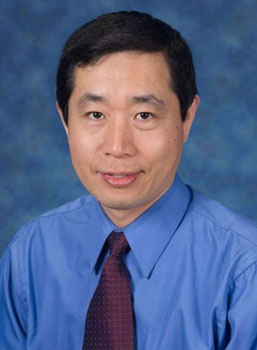
Juncheng Wei, PhD is an Assistant Professor in the Department of Cardiovascular Sciences at the Lewis Katz School of Medicine, Temple University, and also holds an Assistant Professor position at the Center for Metabolic Disease Research. His academic career focuses on the intersection of metabolism, endoplasmic reticulum stress, and disease pathogenesis, with particular emphasis on lipid and glucose metabolism in metabolic disorders.
Dr. Wei received his PhD from Peking Union Medical College, Tsinghua University, China. His educational background provided a strong foundation in biomedical research that has informed his current work on metabolic pathways and their dysregulation in disease states.
Dr. Wei's research primarily focuses on lipid and glucose metabolism and their roles in metabolic disease. His work extensively investigates the Endoplasmic Reticulum-Associated Degradation (ERAD) pathway, particularly the SEL1L-HRD1 complex, and its critical functions in hepatic metabolism, immune regulation, and cancer progression. His laboratory explores how ER stress signaling contributes to conditions including liver disease, breast cancer metastasis, and metabolic disorders. A significant portion of his research examines the role of deubiquitinating enzymes, particularly USP22, in cancer stemness, metastasis, and tumor immune evasion.
Analysis of Dr. Wei's publication record over the past five years reveals a consistent focus on the molecular mechanisms connecting protein quality control systems with metabolic regulation and disease pathogenesis. His work demonstrates an increasing emphasis on the intersection of metabolism and immunology, particularly how ER stress pathways influence immune cell function in the tumor microenvironment. Recent publications show expanding research into computational approaches for therapeutic development, as evidenced by his work on antibody language models for antiviral therapy.
- Alpha-1 Foundation Research Award
- PSC find a cure Research Award
Dr. Wei leads a productive research program with numerous collaborative projects across multiple disciplines. His work involves substantial grant funding supporting investigations into metabolic disease mechanisms, liver pathophysiology, and cancer metabolism. His laboratory maintains active collaborations with immunology and cancer research groups, reflecting the interdisciplinary nature of his work. Dr. Wei's research team focuses on elucidating the molecular connections between protein homeostasis, metabolic regulation, and disease pathogenesis, with particular emphasis on translating basic discoveries into potential therapeutic approaches for metabolic disorders and cancer.