معرفی
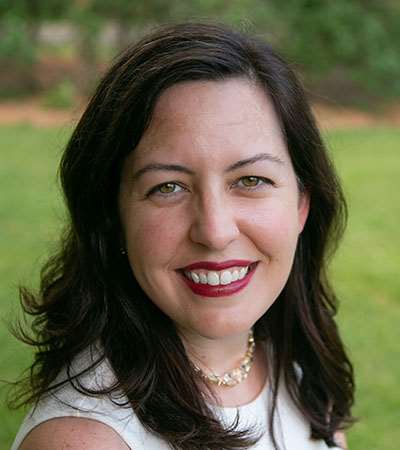
Julia E. Martin, Ph.D., serves as an Associate Professor in the Department of Microbiology & Biochemistry within Idaho State University's Biological Sciences program. She joined the department in 2017 and maintains an active research laboratory in Life Sciences 329, focusing on molecular mechanisms of bacterial pathogenesis. Her office contact is (208) 282-1277 and email martjul8@isu.edu.
Education
- Ph.D. Microbiology (2013), University of Illinois, Urbana
- M.S. Microbiology (2008), University of Illinois, Urbana
- M.S. Biology (2006), California State University, Northridge
- B.S. Biology (Microbiology) (2004), California State University, Northridge
- Postdoctoral Fellow in Molecular Mechanisms of Transition Metal Ion Homeostasis (2014-2017), Indiana University, Bloomington
Professor Martin's research centers on Streptococcus pneumoniae pathogenesis, specifically investigating transition metal ion homeostasis and detoxification mechanisms critical for bacterial virulence. Her lab employs interdisciplinary approaches spanning microbiology, molecular genetics, biochemistry, chemical biology, and biophysical chemistry to address three core projects: manganese-mediated toxicity mechanisms, regulation of manganese efflux, and structural characterization of the MntE manganese transporter. This work provides foundational insights for developing novel antimicrobial agents against drug-resistant pathogens.
Her publication record reveals significant interdisciplinary breadth, with recent work spanning bacterial metal homeostasis, autoimmune diseases (particularly giant cell arteritis), firefighter fitness physiology, and clinical nutrition assessment. While bacterial pathogenesis remains her primary focus, she actively contributes to rheumatology, occupational health, and geriatric research through collaborative projects.
Research Infrastructure
- Laboratory located in Life Sciences 329 at Idaho State University
- Active research program funded through competitive grants (specifics not detailed in source)
- Teaching responsibilities include BIOL 4451/5551 Immunology and BIOL 4455/5555 Pathogenic Microbiology