معرفی
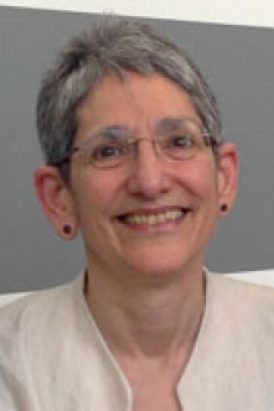
Judith Noorman is an Associate Professor of Early Modern Art History at the University of Amsterdam, Faculty of Humanities, Department of Art History. She serves as Director of the Amsterdam Centre for Studies in Early Modernity and leads the Dutch Research Council (NWO) project "The Female Impact" (2021-2026), which examines women's influence on the seventeenth-century art market.
Dr. Noorman's research focuses on Early Modern Art History with particular emphasis on the Dutch Golden Age. Her work explores the intersection of art, gender, and economics in 17th century Netherlands, examining how women participated in and influenced the art market. She investigates household consumption patterns, religious practices under Protestant dominance, and the daily lives of women during this period, bringing new perspectives to traditional art historical narratives that have relied heavily on male accounts. Her work with Maria van Nesse's memory book reveals how an unmarried, wealthy Catholic woman from Alkmaar meticulously recorded expenses and personal events from 1623 to 1646, offering unprecedented insights into women's experiences.
Her publications have established significant new directions in the field. Her 2022 book on Maria van Nesse has been praised as "a goldmine for anyone who studies seventeenth-century sources" by Gen.magazine and described as an "unbelievable" privilege to read by Lieve Declerck. Her 2020 monograph on Jacob van Loo has been recognized for its contribution to understanding Amsterdam academy practice and the theoretical frameworks guiding 17th century Dutch painters.
As Director of the Amsterdam Centre for Studies in Early Modernity, she has organized the influential Object Colloquia Series, which has shaped contemporary research in early modern studies. Her leadership in this center and her NWO-funded project represent substantial contributions to scholarly infrastructure in her field.
Dr. Noorman's research methodology combines meticulous archival research with innovative interpretations of historical sources, creating a more comprehensive understanding of how art functioned within 17th century Dutch society. By focusing on women's experiences and contributions, she is helping to reshape our understanding of the Dutch Golden Age beyond traditional male-centered narratives.