معرفی
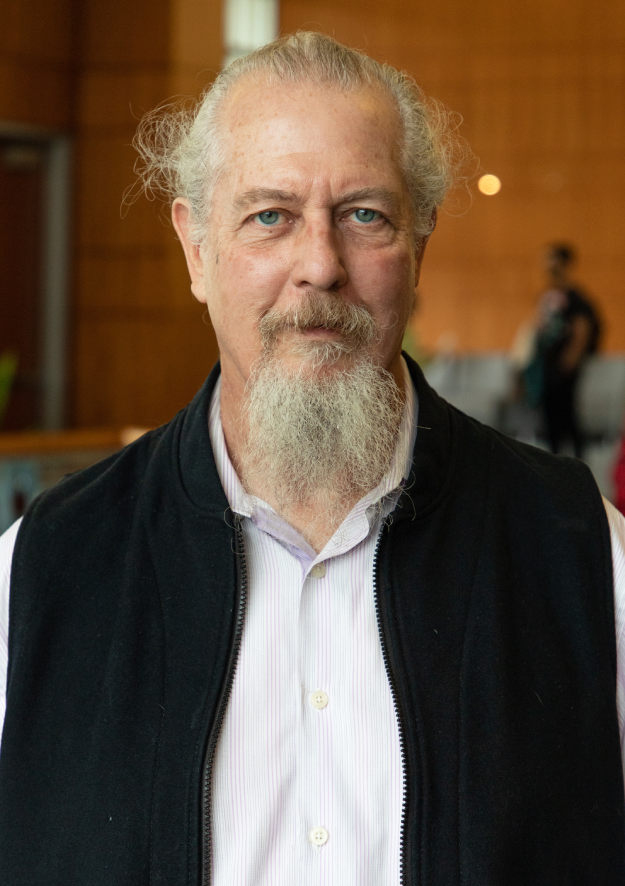
Judit Sandor is a full professor at the Faculty of Political Science, Legal Studies and Gender Studies at Central European University (CEU) in Budapest. She holds a PhD in law and political science and has served as the Chief of the Bioethics Section at UNESCO (2004-2005). Her work bridges biomedical law, bioethics, and human rights. She founded CELEB (Center for Ethics and Law in Biomedicine) in 2005 and led over 10 EU-funded projects addressing biobanks, genetic data, stem cell research, and organ transplantation. Notable projects include EUCelLEX (regenerative medicine governance) and the ERC-funded 'Leviathan' project (2019).
Education: PhD in law and political science (1996). Professional roles include fellowships at McGill, Stanford, NYU, and Maison de sciences de l’homme. She contributed to Hungarian legislative reforms on patient rights (co-founding Szószóló in 1990s) and served on Hungary's Science and Research Ethics Council and Human Reproduction Commission.
Research focuses on biomedical law's intersection with human rights, particularly in reproductive rights, genomic editing, and pandemic ethics. She critiques medical paternalism and advocates for patient autonomy, evidenced in works like Women Facing the Committee: Decision-Making on Abortion in Postwar Hungary (2023).
Scientific awards include the prestigious ERC Synergy Grant (2019). She has authored seven books and participated in transnational initiatives like the Global Ethics Observatory (UNESCO) and ESOF Programme Committee (2017-2020).
Grants and projects span 20+ years, including FP6/FP7 EU programs (GeneBanC, PRIVIREAL) and Horizon 2020 projects (LEVIATHAN). Recent work addresses AI in healthcare, pandemic governance, and the ethical implications of genome editing.
Labs/Initiatives: Director of CELEB, co-founder of the IANB bioethics network, and contributor to the NERRI project on neuroenhancement. She chairs Hungary's Human Reproduction Commission and advises on EU biomedical policy harmonization.