معرفی
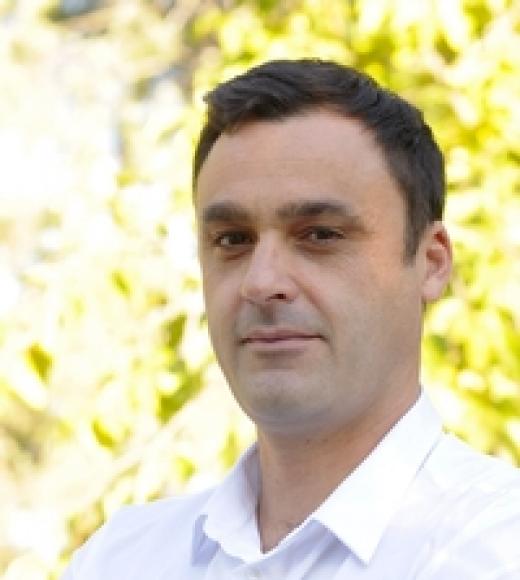
Assoc. Prof. Joško Kaliterna, PhD, serves as an Associate Professor at the Department of Plant Pathology, Division for Phytomedicine, Faculty of Agriculture, University of Zagreb. Employed since 2008, he progressed from Junior Researcher to Assistant Professor (2016-2022) and currently holds his associate professorship (2022-present). His office is located in the 3rd Pavillion, 1st Floor.
His academic qualifications include:
- 2013: Doctorate (Ph.D.) from Faculty of Agriculture, University of Zagreb. Thesis: "Identification, pathogenicity and distribution of fungal species from families Botryosphaeriaceae and Diaporthaceae on grapevine in Croatia"
- 2006: Graduate diploma (M.Sc.) from Faculty of Science, University of Zagreb. Thesis: "Inhibitory potency of pesticides on transmembrane P-glycoprotein in mouse fibroblasts"
Dr. Kaliterna's research centers on fungal diseases across agricultural systems, with emphasis on mycoses of grapevine, olive, pomegranate, fig tree, blueberry, and other woody hosts. His work extends to fruit, vegetable, and ornamental plant pathologies, utilizing molecular identification techniques and pathogenicity assessments of plant-pathogenic fungi. This research directly addresses emerging disease threats in Croatian agriculture through pathogen characterization and host-pathogen interaction studies.
His publication record features significant first reports of fungal pathogens in Croatia, including Verticillium dahliae on olive trees (2016) and Neofusicoccum parvum on grapevines (2013). These contributions demonstrate consistent expertise in identifying novel plant disease occurrences, particularly within Botryosphaeriaceae and Diaporthaceae families, with implications for vineyard and orchard management.
Dr. Kaliterna has coordinated major projects including "Horologija fitopatogenih gljiva na vrstama od posebne važnosti u flori Hrvatske" (2007-2013) and "Identifikacija fitopatogena molekularnim i drugim metodama" (2007-2013), and participated as partner in Croatian Science Foundation and COST-funded initiatives. His international research collaborations span France (INRA Bordeaux), Portugal (University New Lisbon), and Italy (University of Bari), focusing on microbial community analysis and fungal identification methodologies.
He teaches 14 courses including Plant Pathology of Ornamental Plants, Plant-Pathogen Interaction, Plant Mycology, and specialized courses on fruit, vegetable, and stored product protection. As a member of the Croatian Microbiological Society since 2011, he maintains active engagement in national scientific communities.