معرفی
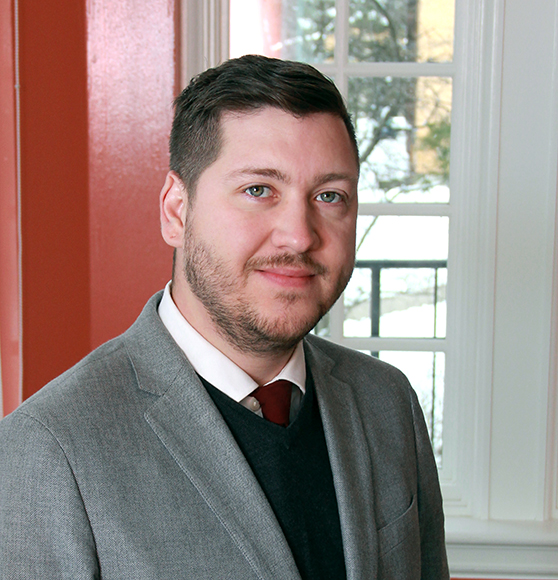
Dr. Joy Pierce is Professor and Chair of the Department of Communication in the Lew Klein College of Media and Communication at Temple University.
Education & Career Highlights
- Professor of Communication, Temple University
- Chair, Department of Communication
- Associate Editor, Qualitative Health Research (SAGE Publishing)
- Former Presidential Leadership Scholar
- ACLS Leadership Institute for a New Academy (LINA) Fellow
Research Interests
Dr. Pierce’s scholarship sits at the intersection of technology, literacy, and social justice. Drawing on cultural studies and contemporary social theory, she employs critical pedagogy to investigate how underrepresented populations engage with information communication technologies (ICTs). Her methodological expertise spans a wide spectrum of qualitative approaches, including autoethnography, performative ethnography, and participatory action research. Community engagement is central to her work, leading to policy consultation at local, state, and federal levels.
Publications & Knowledge Dissemination
Her monograph Digital Fusion: A Society Beyond Blind Inclusion (Peter Lang, 2015) crystallizes her arguments on digital equity, while she is currently completing a second book entitled Autoethnography Beyond the Self: Practice, Reading, and Writing. Beyond print, Dr. Pierce has delivered a TEDxTalk on digital equity policy and regularly presents at regional, national, and international conferences. Her work appears in communication, sociology, and qualitative research methods journals.
Scientific Awards & Honors
- Inaugural recipient of the Utah Digital Equity Champion award
- Presidential Leadership Scholar
- ACLS LINA Fellow, American Council of Learned Societies
Community Engagement & Advisory Roles
Dr. Pierce serves on numerous community-based advisory boards, leveraging her research to inform digital inclusion initiatives and policy reform. She frequently guest-speaks at professional gatherings and in the media, translating complex scholarly insights into actionable recommendations for equitable technology access.
Labs & Teams
While no specific lab name is provided, her community-engaged research model implies ongoing collaboration with interdisciplinary teams that include community organizations, policy makers, and graduate researchers.