معرفی
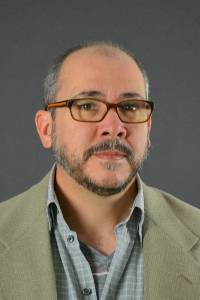
Jonathan Foltz is an Associate Professor at Boston University specializing in modernist literature, film and media studies, philosophy, critical theory, visual culture, and aesthetics. His research examines how expression and sensibility are reimagined through cross-medium experimentation, particularly in works challenging conventional forms like novels resisting novelistic conventions or films prioritizing visual showing over narrative.
His educational background includes:
- BA from Bard College
- MA and PhD in English Literature from Princeton University
Foltz investigates the reconfiguration of literary categories (subjectivity, language, irony) under cinema's influence, focusing on modernist writers such as Virginia Woolf, H.D., Aldous Huxley, and Henry Green. His work connects technological modernity to transformations in storytelling, analyzing how narrative forms evolve through media interactions and aesthetic antagonisms.
His publications from 2011-2018 reveal consistent engagement with cinematic formalism and media poetics, spanning digital cinema analysis, modernist poetry-film intersections, and emotion theory in world cinema. Key trends include reevaluating authorial agency, narrative representation of bodies, and the impact of technological shifts on aesthetic value systems.
He has received significant recognition including:
- Junior Faculty Fellowship, Boston University Center for the Humanities (2015-2016)
- Mayers Fellowship, The Huntington Library (2013)
- Visiting Researcher, Center for Modernism Studies Australia (2011-2012)
- Quin Morton Teaching Fellowship, Princeton University (2010-2011)
- McCosh Teaching Award, Princeton University (2010)
- Annan Dissertation Fellowship, Princeton University (2009)
- Charles Scribner University Fellowship (2004-2005)
His research is supported by competitive fellowships from institutions including The Huntington Library and Boston University Center for the Humanities, enabling deep archival work on modernism's media transformations. Teaching innovations integrate experimental poetry with slapstick comedies and Freud's case studies with film noir to demonstrate cinematic impacts on narrative representation.