معرفی
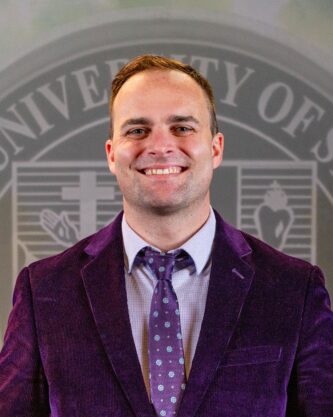
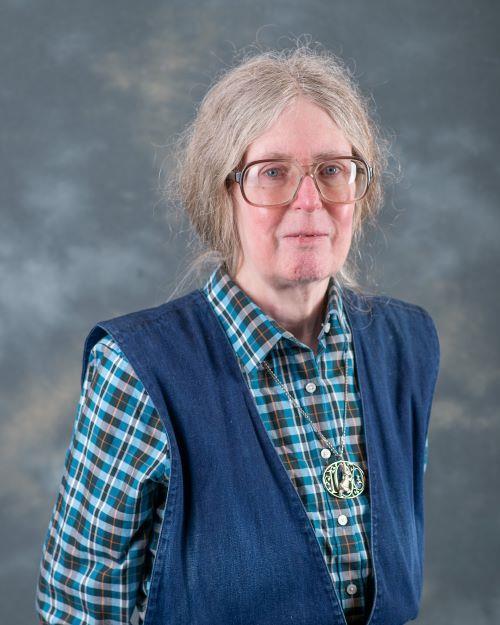
John Talbot is a Professor in the Department of English within the College of Humanities at Brigham Young University (BYU). His work bridges classical scholarship and modern literary creation, focusing on how Ancient Greek and Latin literature informs English poetic traditions.
- PhD in Ancient Greek and Latin, Boston University
His research centers on classical-English literary relations, literary translation, poetic meter, and creative poetry writing. He explores the enduring influence of classical forms and themes in English literature, particularly through translation and adaptation. His scholarship appears in leading journals such as Classical Journal, Essays in Criticism, and Translation and Literature, and he contributes to major reference works including the Oxford History of Classical Reception in English Literature and the Oxford History of Literary Translation in English.
The 15 most recent publications reflect a consistent engagement with classical reception, metrical theory, and modern poetic practice. His work spans scholarly analysis of figures like W. H. Auden, Robert Lowell, and Ted Hughes, alongside creative explorations of Latin and Greek poetic forms in contemporary English verse. Keywords across these works include Classical Reception, Literary Translation, Poetry, and Philology, with subfields ranging from Confessional Poetry to Quantitative Meter adaptation.
His scientific contributions are recognized through invitations to contribute to authoritative volumes from Oxford and Cambridge University Presses, though no formal awards are listed in the text.
John Talbot has served as director and associate director of academic programs in London and Siena, Italy, indicating leadership in international education. He mentors through his publications and academic service, having acted as a peer referee for Oxford University Press, Northwestern University Press, and several major journals. While specific grant funding is not mentioned, his extensive publication record suggests sustained scholarly productivity.
He leads research initiatives connected to classical tradition and poetic form, particularly through his ongoing book projects and editorial engagements. His work fosters dialogue between ancient and modern literary worlds, both in scholarship and creative output.