معرفی
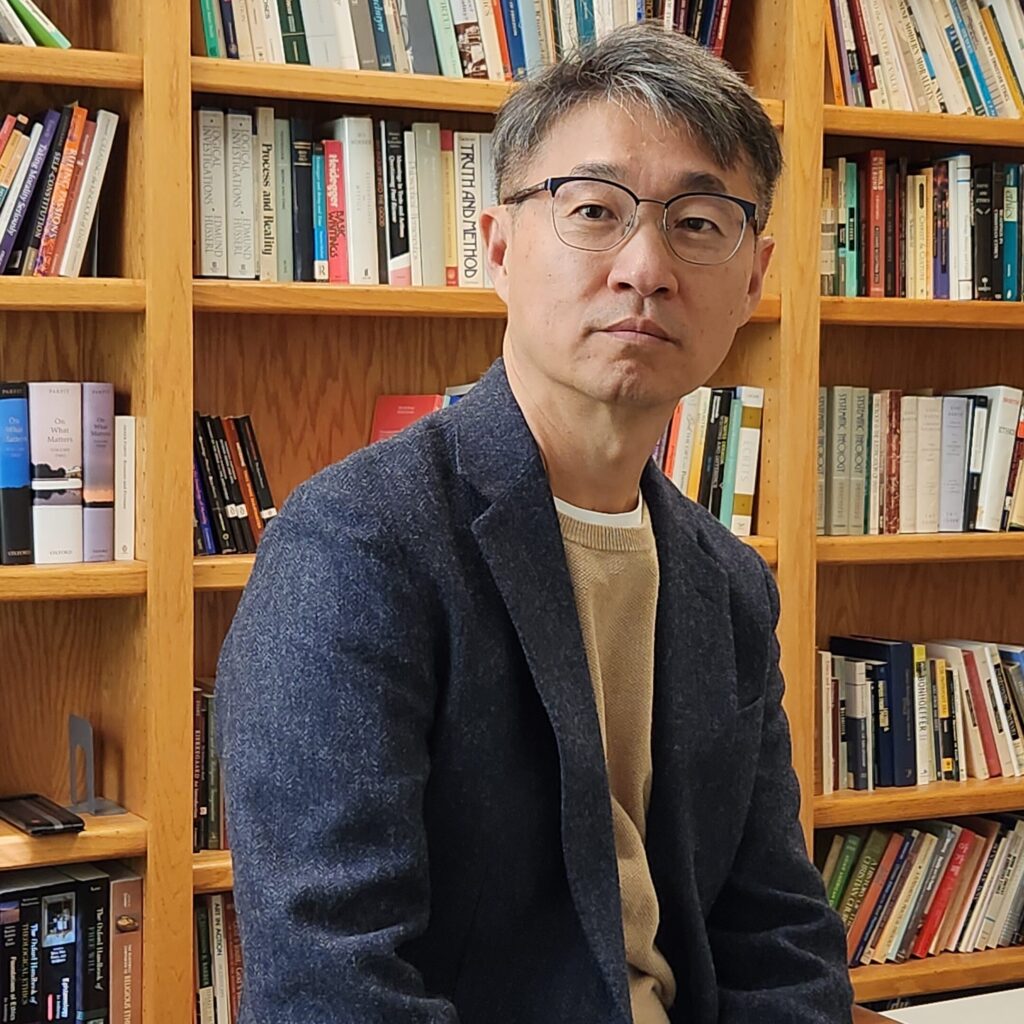
John Hare is the Noah Porter Professor of Philosophical Theology at Yale Divinity School, Yale University, where he also holds affiliation with the Department of Religious Studies. He is a Fellow of Berkeley College and maintains an active scholarly profile in ethics, theology, and philosophy.
Education:
- B.A., Oxford University
- Ph.D., Princeton University
His research centers on the intersection of religion and morality, with deep engagement in ancient philosophy, medieval Franciscan thought, Kant, Kierkegaard, and contemporary ethical theory. He explores foundational questions such as the source of moral obligation, the role of divine assistance in moral living, and the coherence of religious ethics in modern contexts. His work in medical ethics and international affairs reflects a commitment to applied moral reasoning. He also contributes to aesthetics as a composer of church music.
The trend in his publications shows a sustained exploration of the relationship between theology and ethics, moving from historical analysis (e.g., Plato, Duns Scotus) to systematic moral theory and practical applications in global and medical ethics. His writings bridge academic rigor with accessible reflection, as seen in both technical monographs and popular works.
Scientific Awards and Honors:
- Fellow of Berkeley College, Yale University
Professor Hare has advised graduate students in philosophical theology and ethics, though specific names are not listed. His scholarly impact is amplified through fellowships and interdisciplinary collaborations. He has held professional experience in a teaching hospital and with the U.S. House of Representatives Foreign Affairs Committee, indicating engagement beyond academia. While no active grants are specified, his publication record and sustained academic position suggest ongoing research support. He contributes to academic discourse through books, commentaries, and public scholarship, including the YDS ‘Quadcast’ on reconciling religion and philosophy.
Though no formal lab or research center is mentioned, his participation in interdisciplinary forums and working groups at Yale indicates collaborative scholarly networks. His affiliation with Archaia and other research initiatives underscores his involvement in the broader intellectual life of the university.