معرفی
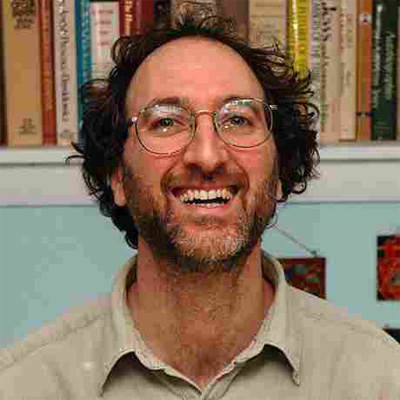
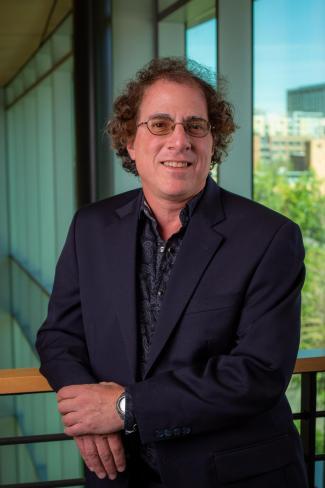
John H. Shaver is an Associate Professor of anthropology at Baylor University specializing in biocultural and evolutionary anthropology. His interdisciplinary research spans anthropology, biology, neuroscience, religion, psychology and general science, with fieldwork conducted in Fiji, The Gambia, Mauritius, New Zealand, and the United States. He serves as co-editor of Religion, Brain & Behavior, a journal dedicated to the bio-cultural study of religion.
His educational background includes:
- Ph.D. Anthropology (with distinction), University of Connecticut (2012)
- M.A. Anthropology, University of Connecticut (2005)
- Graduate Diploma in Culture, Health, and Human Development, University of Connecticut (2005)
- B.A. Anthropology, Indiana University of Pennsylvania (2000)
Dr. Shaver's research centers on understanding cultural variation in solutions to collective action problems and how these solutions impact health and well-being. His work examines the causal mechanisms through which religious involvement affects fertility, maternal and child health, immune function, mental illness, and mortality. He employs both cross-cultural comparative methods and longitudinal designs to address gaps in current understanding, particularly in non-Western contexts where such data has been limited.
Analysis of his recent publications reveals consistent focus on religion's relationship with reproductive strategies, social support networks, and health outcomes across diverse cultural settings. His work demonstrates how religious communities scaffold cooperative behaviors, particularly regarding alloparental care and maternal support, while also examining how market integration and modernization processes affect traditional cultural practices like arranged marriages.
Dr. Shaver directs the Human Evolutionary Ecology and Demography of Health Lab (HEEDL), which employs evolutionary theory to investigate how local cultural and ecological settings influence human behavior and health. His major research projects include:
- A large-scale study involving over 10,000 participants across Bangladesh, India, Malawi, The Gambia, and the United States examining religion's impact on fertility and maternal/child health
- A longitudinal cohort study in Fiji tracking religion, health, and well-being among 569 adults aged 18-65 in two villages and informal settlements around Levuka
His research has received significant funding from the John Templeton Foundation, Templeton World Charity Foundation, and Templeton Religion Trust. As an educator, Dr. Shaver emphasizes developing students' critical thinking, argumentation skills, and understanding of cultural dynamics in cooperation and conflict.