معرفی
Johan Nordgren is an Associate Professor (Docent) in Medical Microbiology at Linköping University, where he is affiliated with the Department of Biomedical and Clinical Sciences (BKV) and the Division of Molecular Medicine and Virology (MMV) within the Faculty of Medicine and Health Sciences.
His research focuses on:
- Virus-host interactions and how these affect infection and disease
- Gastrointestinal viruses (particularly rotavirus and norovirus)
- Emerging and airborne viruses
- Global health perspectives on viral infections
- Molecular mechanisms of virus-host interactions and pathogenesis
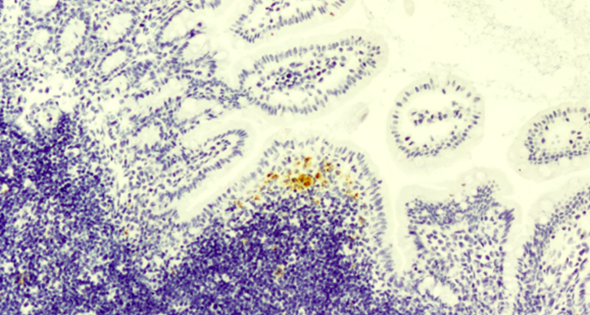
Dr. Nordgren's work primarily investigates how both virus and host factors mediate susceptibility and severity to infection. His team utilizes various infection models for functional studies to unravel virus-host interactions on a molecular level. Much of his research takes a global health perspective, with studies conducted in regions including the Amazon, Africa, and Central America.
His recent publications show strong trends in virology, immunology, and infectious diseases, with particular emphasis on:
- Host genetic factors affecting viral susceptibility (especially histo-blood group antigens)
- Molecular epidemiology of gastrointestinal viruses across diverse populations
- Immune responses to viral infections, particularly during the COVID-19 pandemic
- Long-term effects of viral infections on the immune system
- Associations between viral detection rates and environmental/climatic factors
Dr. Nordgren has received recognition for his work on the long-term effects of severe COVID-19 on the immune system, demonstrating that 'the more severe the COVID-19 infection, the slower the recovery of immune cells which are necessary for the activation of the immune system. Six months after severe COVID-19, a negative impact on several types of immune cells can still be seen.'
His research involves extensive international collaboration with institutions in Brazil, Nicaragua, Burkina Faso, Kenya, and other countries, reflecting his global health approach to viral infections.