معرفی
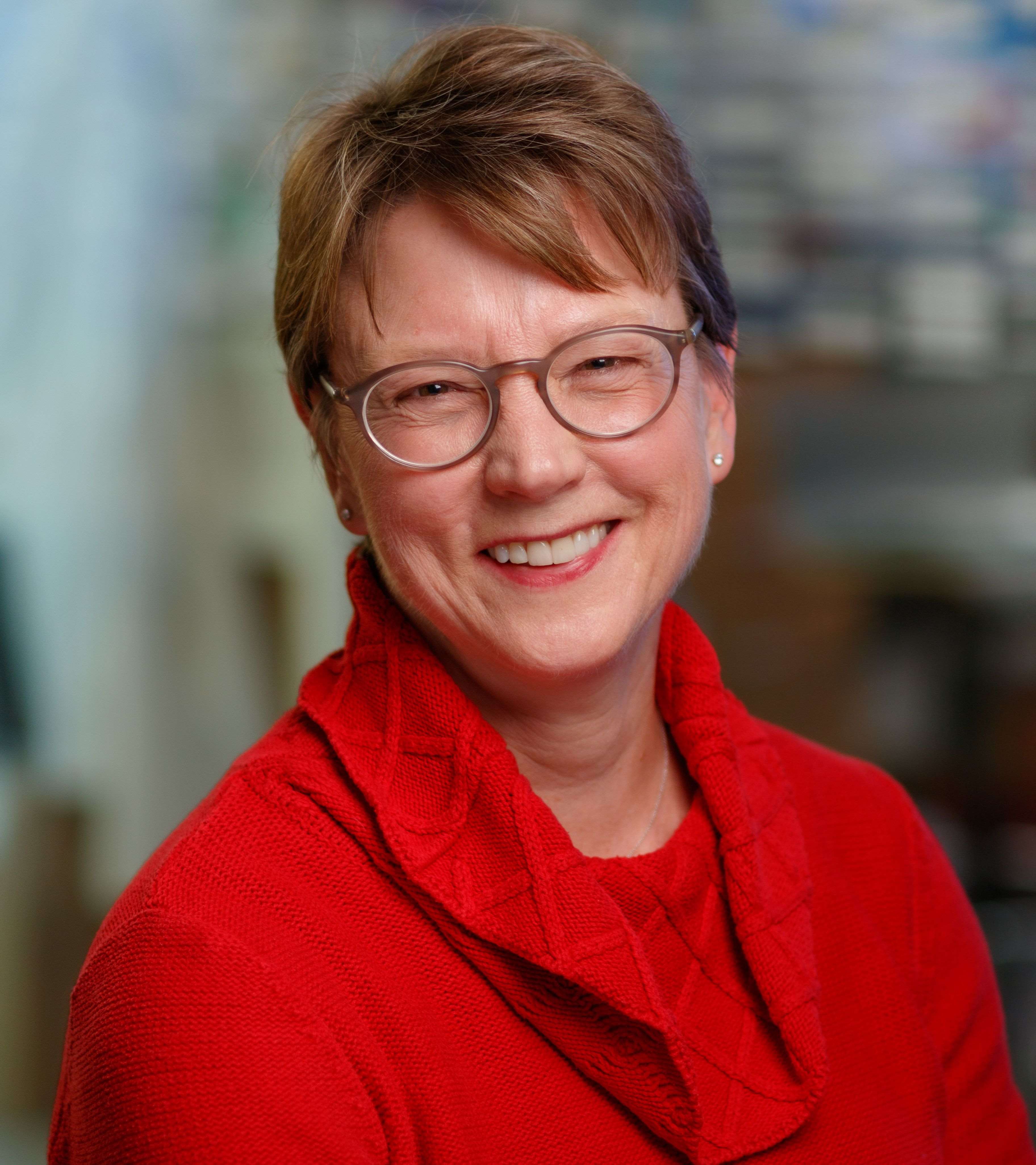
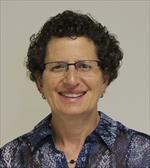
Joanne Engel is a Professor at the University of California San Francisco, leading a research lab that investigates the complex interplay between bacterial pathogens and host cells. Her work focuses on two significant human pathogens—Chlamydia trachomatis and Pseudomonas aeruginosa—using multidisciplinary approaches including bacterial genetics, molecular biology, cellular microbiology, and proteomics.
- Education: B.S. in Biochemistry from Yale University (1976), M.D. from Stanford University (1983), Ph.D. in Biophysics from Stanford University (1982).
Dr. Engel's research has yielded groundbreaking contributions to understanding Pseudomonas aeruginosa-host interactions, including the discovery of its type III secretion system, the role of effectors like ExoU and ExoT, and the mechanisms of biofilm formation. Her work on Chlamydia trachomatis involves genome-wide RNAi screens and confocal microscopy to identify host-pathogen interactions, novel entry mechanisms, and sphingolipid acquisition pathways.
Recent publications highlight her team's work on bacterial mechanosensing systems, effector proteins like Dre1 and IncE, and advanced imaging techniques for infection studies. Her lab's projects are supported by long-term NIH grants, including R01 awards, focusing on microbial pathogenesis and host defense mechanisms.
- Key Awards: Phi Beta Kappa (1976), Sigma Xi (1976), Magna cum Laude, Yale (1977), Medical Scientist Training Program (1977), Lucille Markey Biomedical Scholar (1988), NIH Career Development Award (1994), American Lung Association Career Investigator (1998), President-Elect of American Society for Microbiology Division B (2004).
Her lab has also developed 2D/3D cell culture systems to study polarized epithelial cell interactions and identified host ubiquitin ligases involved in pathogen degradation. Current projects include high-throughput proteomics of Chlamydia effectors and dissection of the Chp/Vfr regulatory pathway in Pseudomonas virulence.