معرفی
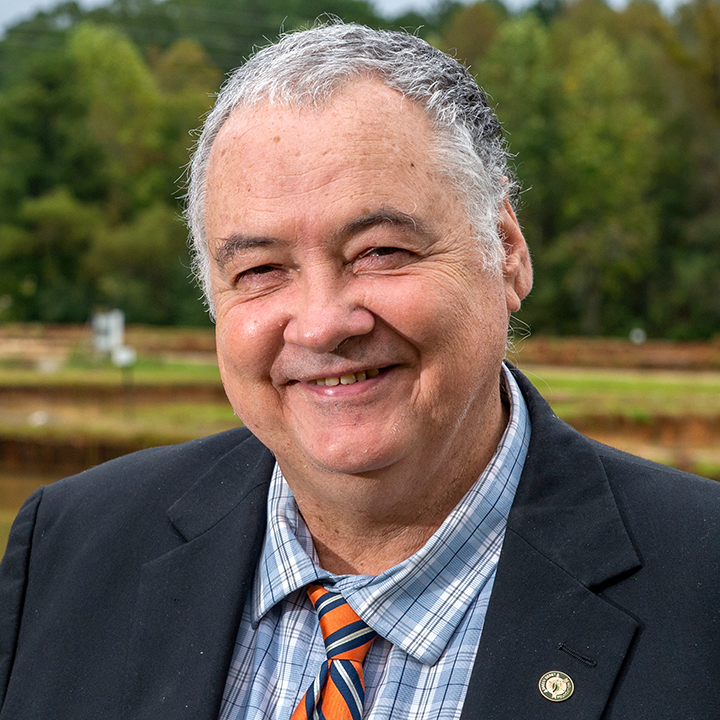
Jinhai Wang is a Postdoctoral Research Fellow in the Robledo Group at the Roslin Institute, University of Edinburgh, specializing in genome editing applications for aquaculture disease resistance. His current work focuses on developing CRISPR and base editor systems in fish cell lines to disrupt disease-susceptibility genes and establish resilient aquaculture species.
His educational journey includes:
- BSc in Aquaculture from Northwest A&F University (2011-2015)
- MSc in Aquaculture from Ocean University of China (2015-2019), with research on octopus genetics
- Concurrent MSc in Biological Statistics and PhD in Aquaculture from Auburn University (2019-2023)
Dr. Wang's research centers on precision genome editing to combat aquaculture diseases, with expertise spanning CRISPR/Cas9 optimization, base editing in vitro, and transgenic model development. His work targets economically critical species including Atlantic salmon, catfish, and octopus, aiming to reduce off-target effects while enhancing disease resistance through targeted gene disruption. This interdisciplinary approach bridges quantitative biology, aquaculture engineering, and translational bioscience.
His notable scientific recognition includes:
- MIT Technology Review feature for developing sterile transgenic catfish with enhanced disease resistance via antimicrobial peptide (As-Cath) insertion
As an active researcher in the Robledo Group, he contributes to the Division of Translational Bioscience's mission through advanced genome editing techniques and collaborative aquaculture innovation within the Roslin Institute's research ecosystem.